Learn Abu Dhabi culture, etiquette, dress codes & local customs. Essential tips for visitors to respect Emirati traditions and feel confident.
Abu Dhabi Culture Guide: What Visitors Should Know Before They Go
Abu Dhabi runs on a blend of strict Islamic tradition and startling modern ambition — the kind of place where a woman in an abaya and a tourist in shorts can stand in the same mall queue without anyone blinking. That contrast confuses first-time visitors more than any single rule does. This Abu Dhabi culture guide exists to clear that up: what to wear, how to greet people, what changes during Ramadan, and where the genuine red lines sit versus the ones travel forums invent.
Emirati culture draws from Bedouin tradition, Islamic practice, and a deliberate modern openness that the Abu Dhabi Culture and Heritage Authority actively promotes through sites like Qasr Al Hosn and the Louvre Abu Dhabi. The emirate wants tourists — it built an entire cultural district on Saadiyat Island to prove it — but it still expects a baseline of respect in public behavior and dress. Compared to Dubai, Abu Dhabi tends to be slightly more conservative and less forgiving of beachwear worn off the beach; compared to Doha or Muscat, it's noticeably more cosmopolitan and tolerant of alcohol and mixed socializing. Get the fundamentals below and you'll move through the city without the low-grade anxiety most first-timers carry for the first two days.
Essential Dress Code & Appearance
There's no legal dress code enforced on tourists in Abu Dhabi, but there's a strong social one, and ignoring it marks you as careless rather than rebellious. The general rule: shoulders and knees covered in malls, government buildings, and public transport; anything goes at hotel pools and private beach clubs. Locals won't say anything if you break this — Emiratis are too polite for public correction — but you'll notice stares, and staff at religious or heritage sites will turn you away at the door.
Men get an easier ride. Shorts and T-shirts are fine almost everywhere except mosques, where long trousers are expected. Women face more scrutiny, particularly in older neighborhoods like Al Mina or around Qasr Al Hosn, where modest, loose clothing earns friendlier treatment from shopkeepers and significantly fewer stares.
Dress expectations in Abu Dhabi vary sharply by location, from strict mosque robes to anything-goes resort pools.
Abu Dhabi culture guide: dress code by location
| Location | Dress Expectation | Strictness | Covered On Arrival? |
|---|---|---|---|
| Sheikh Zayed Grand Mosque | Full-length, head covering for women | Strict, enforced | Abayas provided free |
| Shopping malls | Shoulders and knees covered | Moderate, social pressure | No, bring your own |
| Qasr Al Hosn / heritage sites | Modest casual wear | Light, no formal check | No |
| Public beach (Corniche) | Standard swimwear | Relaxed | No |
| Hotel pool / private beach club | Resort swimwear | Very relaxed | No |
| Restaurants outside hotels | Smart casual, covered shoulders | Moderate | No |
Expectations are social rather than legally enforced except at religious sites, where staff will turn away under-dressed visitors.
What to wear in public spaces
In malls, souks, and museums — including the Louvre Abu Dhabi — aim for knee-length or longer bottoms and tops that cover the shoulders. Linen trousers and a loose cotton shirt handle the heat better than tight jeans anyway, so this isn't purely a cultural compromise; it's practical dressing for a climate that regularly hits 40°C (104°F) from May to September. Leggings alone, without a long top covering the hips, draw more attention than you'd want. Swimwear belongs at the pool or beach, full stop — walking through a hotel lobby in a bikini cover-up is one of the more common faux pas European visitors make.
Beachwear and resort guidelines
Public beaches like Corniche Beach allow standard swimwear, though a one-piece or modest bikini attracts less attention than a string bikini. Private beach clubs attached to hotels — Saadiyat Beach Club, for instance — operate by international resort norms, so there's no need to cover up poolside. The distinction that trips people up: once you leave the beach or pool deck for the lobby, restaurant, or taxi rank, cover up. Desert resorts such as Al Maha (technically in Dubai's desert conservation reserve, but the etiquette applies across similar UAE retreats) expect smart-casual, modest resort wear in communal dining areas even though swimwear is fine at their private pools.
Ramadan: What Visitors Should Know
Ramadan in Abu Dhabi shifts the city's rhythm noticeably, and visitors who don't plan around it end up frustrated by closed restaurants and shortened hours. The holy month follows the lunar calendar, so dates move roughly 10-11 days earlier each year — check the current dates before booking travel, since they affect everything from museum hours to nightlife.
Eating and drinking during daylight hours
Fasting Muslims abstain from food, drink, and smoking from sunrise to sunset. Visitors aren't required to fast, but eating or drinking in public during daylight hours — including on the street or in your car — is considered disrespectful and, in theory, can draw a fine, though enforcement against tourists is rare and usually just a polite warning. Hotels handle this smoothly: most keep designated indoor dining areas open and curtained off for non-fasting guests throughout the day. Chewing gum in public counts too, oddly enough — best saved for your hotel room.
Adjusted business hours and restaurant access
Shops and offices often run shorter or shifted hours during Ramadan, with many businesses closing in the afternoon and reopening after sunset (iftar) for extended evening hours. Malls stay busy well past midnight. Many restaurants close entirely during the day and switch to iftar buffets at sunset — book ahead, because the popular ones fill fast. This is actually one of the better times to experience Emirati hospitality: iftar tents and communal meals are far more accessible to tourists than most assume, and several heritage venues near Qasr Al Hosn run evening cultural programs specifically for visitors during the month.
Do's and Don'ts in Abu Dhabi
Most "rules" circulating online are exaggerated — Abu Dhabi isn't Saudi Arabia, and it markets itself hard to international tourists, including through Formula 1, art museums, and beach resorts. But a handful of genuine boundaries exist, and crossing them carelessly causes real problems, not just awkward glances.
Photography and social media boundaries
Never photograph Emirati women, or local people in general, without asking first — this is the single most common offense tourists commit, usually without realizing it. Government buildings, military sites, ports, and some areas near the Presidential Palace are off-limits for photography, with signage not always obvious. Drone use requires a permit from the General Civil Aviation Authority, and flying one casually over the Corniche or near the Sheikh Zayed Grand Mosque will get it confiscated. Inside the mosque itself, photography is allowed in most areas but never of worshippers praying.
Alcohol and nightlife considerations
Alcohol is legal in Abu Dhabi for visitors and is served in licensed hotel bars, restaurants, and clubs — unlike Sharjah, which is fully dry, or Doha, where options are far more limited. Drinking is restricted to these licensed venues; public intoxication, drinking in the street, or driving after any alcohol at all (the UAE has effectively zero tolerance) are taken seriously by police. Nightlife exists and is lively on the Corniche strip and at Yas Island venues, but it's quieter and more low-key than Dubai's club scene — if that's what you're after, Dubai will deliver more energy per square mile.
Religious Sites & Cultural Respect
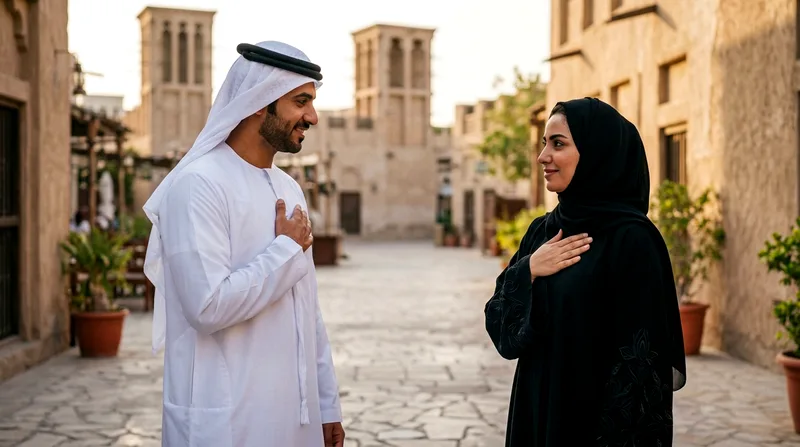
Abu Dhabi's religious and heritage sites are its biggest cultural draw, and they're genuinely open to non-Muslim visitors — more so than equivalent sites in many other Gulf states. That openness comes with expectations, and the Culture and Heritage Authority is specific about them.
Visiting mosques and holy places
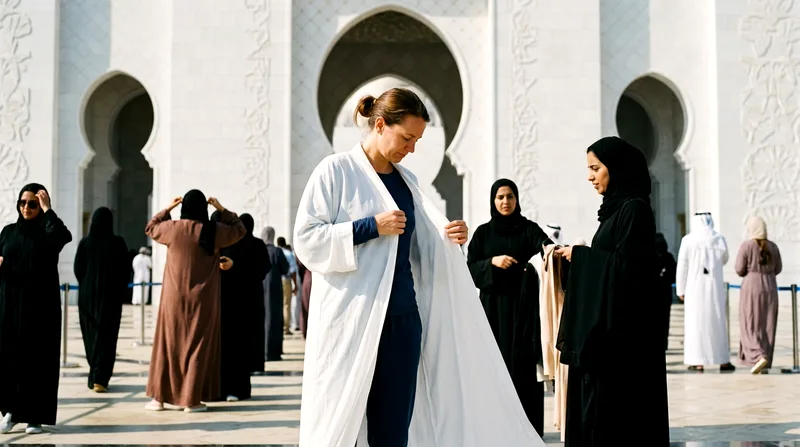
The Sheikh Zayed Grand Mosque is free to enter and welcomes visitors of all faiths, but the dress code is enforced at the door, not just suggested: full-length robes (abayas, provided free for women who arrive under-dressed) are required, along with head coverings for women. Men need long trousers and sleeved shirts. Shoes come off before entering prayer halls. Visits are closed to non-Muslims during prayer times, roughly five times a day for 30-45 minutes each, so check the schedule before you go — arriving mid-prayer means a wait, not a refusal.
Behavior at heritage landmarks
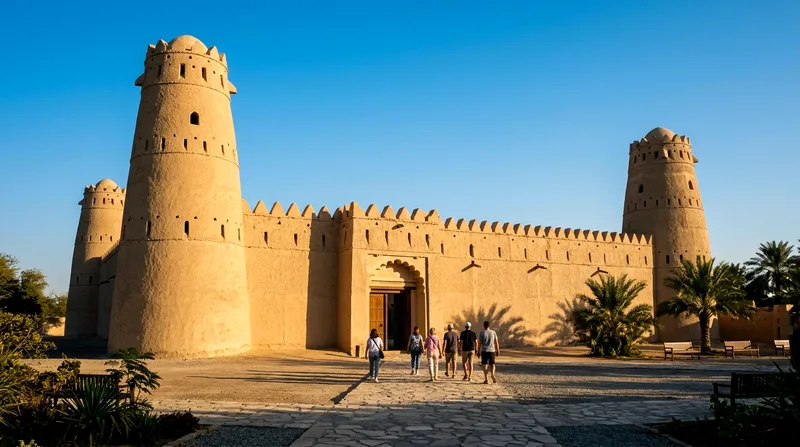
Qasr Al Hosn, the oldest stone building in Abu Dhabi, and other heritage sites don't enforce dress codes as strictly as the mosque, but loud behavior, public affection, or treating the space like a photo backdrop rather than a historic site reads poorly. Guides at these sites, often run through the Culture and Heritage Authority, appreciate questions about Emirati history far more than visitors expect — this is one of the easiest ways to have a genuine exchange rather than a transactional tourist visit. Pair a Qasr Al Hosn visit with the nearby Louvre Abu Dhabi for a fuller picture of how the emirate frames its own story, old and new, and consider booking a half-day heritage tour that combines both rather than trying to navigate either on a tight schedule.
Frequently asked questions
What are the do's and don'ts in Abu Dhabi?
Do dress modestly in public spaces, greet people patiently, and ask before photographing locals. Don't drink alcohol outside licensed venues, show public affection, or photograph government buildings, ports, or people without permission. Most rules are social expectations rather than enforced laws, except at mosques and during Ramadan daylight hours, where guidelines are stricter and sometimes carry fines.
Can girls wear shorts in Abu Dhabi?
Yes, in malls and tourist areas shorts are generally tolerated, though knee-length or longer draws fewer stares and more relaxed service from shopkeepers. At religious sites like the Sheikh Zayed Grand Mosque, shorts aren't allowed — robes are provided free at the entrance. On beaches and at hotel pools, regular swimwear, including shorts, is completely normal.
What should visitors know about Emirati etiquette?
Greetings matter — take a moment for small talk before business, use your right hand for giving and receiving items, and don't assume a handshake with a woman unless she offers first. Emiratis are generally polite rather than confrontational, so they won't correct a tourist's mistake directly; watching local behavior and matching it is the safer approach.
How do I adjust to local culture in Abu Dhabi?
Pack modest, breathable clothing, learn a couple of Arabic greeting phrases, and build Ramadan dates into your trip planning if traveling during the holy month. Visiting Qasr Al Hosn or booking a guided cultural tour early in your trip helps frame everything you see afterward, from mosque architecture to souk interactions.
What are traditional greeting customs?
A handshake between men, held slightly longer than Europeans expect, is standard. "As-salamu alaykum" (peace be upon you) is the common verbal greeting, answered with "Wa alaykumu as-salam." With Emirati women, wait for them to initiate any handshake; a nod or hand-to-chest gesture is a respectful alternative.