Abu Dhabi Best Restaurants Guide: Eat by Cuisine & Budget
Our Abu Dhabi best restaurants guide covers fine dining, Emirati food, seafood and budget eats by neighborhood — know where to book before you go.
8 min read · 8 Oct 2026
Tours & activities
Compare Abu Dhabi food tours — street food walks, cooking classes, private dining. See what's included, who they suit, and how to book smart.
Abu Dhabi's food scene runs wider than most first-time visitors expect — Emirati grills sit two blocks from Pakistani karahi houses, Lebanese bakeries, and new-wave Yas Island restaurants with Louvre Abu Dhabi views. A guided food tour cuts through that sprawl faster than wandering on your own, and it solves the real problem of not knowing what's actually good versus what's just loud and well-lit on a main strip.
The right category depends less on budget than on how you like to eat. If you want to graze on ten small bites standing at counters, a street food tour wins. If you want to cook the dish yourself and take the recipe home, that's a class, not a tour. If you're traveling with people who have very different appetites — a toddler, a vegetarian aunt, a teenager who only eats bread — a private tour flexes where a group tour won't.
Families do best with daytime market or street food tours lasting two to three hours, timed around nap schedules and school-age attention spans. These tours typically stop at four to six vendors, mixing familiar foods (grilled chicken, flatbreads, fresh juice) with one or two adventurous tries like luqaimat (fried dumplings in date syrup). Avoid anything billed as a "full-day culinary immersion" with kids under eight — the walking and waiting between stops wears them out faster than the food excites them. Casual foodies without children get more from the same format but can comfortably add an evening slot instead.
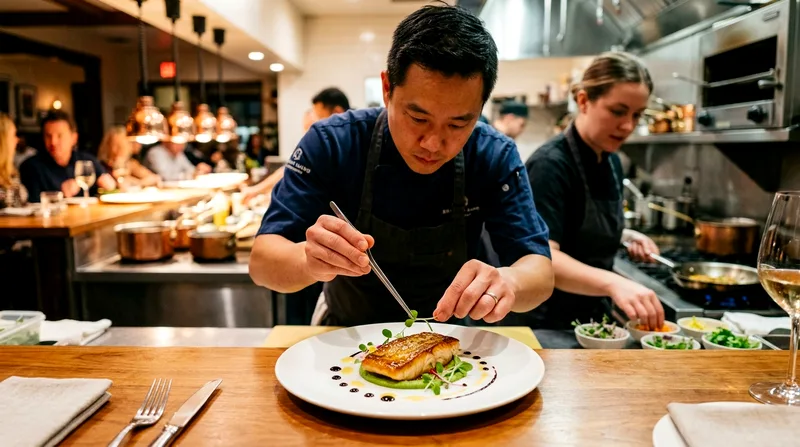
Abu Dhabi has invested heavily in high-end dining around Yas Island and the Corniche, and some operators package multi-course tasting menus with a sommelier or mixologist pairing as a "fine dining experience" rather than a tour in the traditional sense. These run two to four hours, seat you at one restaurant rather than moving between venues, and suit couples or small groups celebrating something specific. The trade-off: you see one kitchen's interpretation of the city, not the city itself. If variety matters more to you than polish, this isn't the category — go with a private multi-stop tour instead.
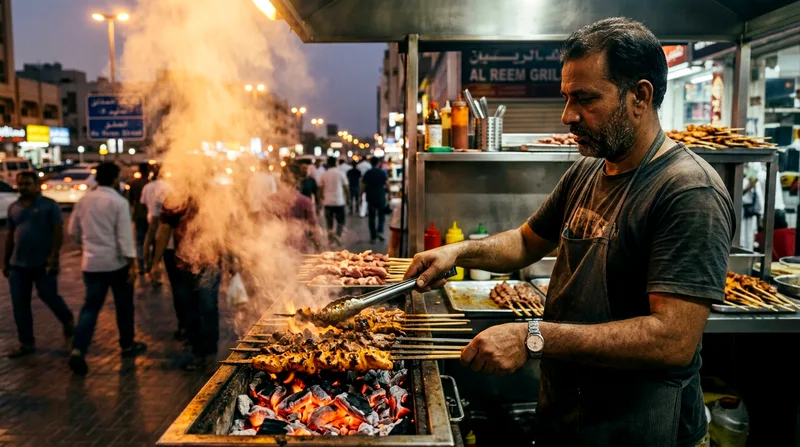
Group street food tours remain the best value per dirham — shared transport costs, shared guide fees, and set-menu tastings keep prices down compared to private bookings. Areas like Hamdan Street and the streets around Man'oushe Street concentrate affordable Lebanese, Emirati, and South Asian food stalls within walking distance of each other, which is exactly why operators build tours there. Skip hotel-branded "food safari" packages aimed at tour groups; they tend to charge a premium for convenience rather than quality, and the stops are often chosen for easy bus access rather than for being the best version of a dish in town.
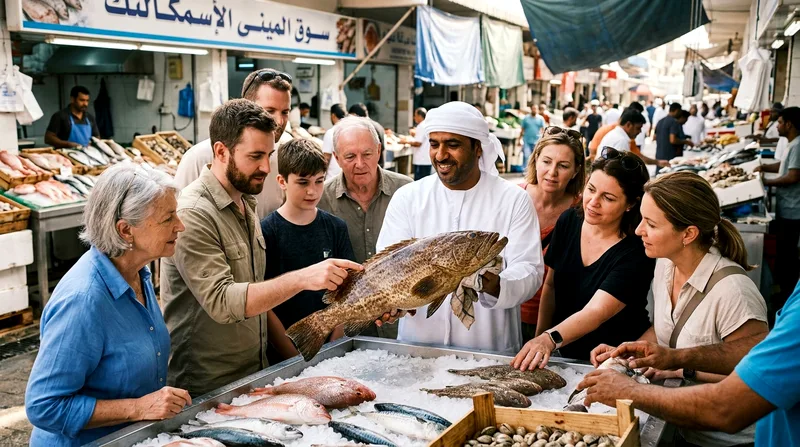
Three broad categories cover almost everything bookable in Abu Dhabi: street food and market tours, cooking classes, and private versus group dining tours. Each has a distinct rhythm, and conflating them is the most common booking mistake — people expect a cooking class to feel like a tasting tour, or a private tour to be cheaper than it is.
Street food tours offer the best value and variety, while cooking classes and private dining trade higher cost for more control and personalization.
Abu Dhabi food tours compared by duration, group size, and typical cost
| Tour type | Typical duration | Group size | Price range | Best for |
|---|---|---|---|---|
| Street food/market tour | 2-3.5 hours | 6-15 people | Budget to mid-range | Variety seekers, budget travelers |
| Cooking class | 2-4 hours | 4-10 people | Mid-range | Hands-on learners, solo travelers |
| Private dining tour | 2-4 hours | 1-6 people | Mid-range to high | Families with dietary needs, couples |
| Fine dining tasting experience | 2-4 hours | 2-8 people | High | Luxury seekers, celebrations |
Typical figures based on common tour structures; always check current prices and inclusions before booking.
These are walking tours, usually two to three and a half hours, hitting four to eight food stops across a neighborhood like Hamdan Street or the older downtown grid near the Corniche. Expect a mix of Emirati, Lebanese, and South Asian stalls — a stop at a casual spot serving Gulf-style grills, something similar in spirit to Al Derwaza Gulf Food Restaurant, paired with a South Asian counter in the vein of Himalayan Palace Restaurant, gives a realistic sense of how layered the city's everyday food actually is. Group sizes run six to fifteen people. Most of the walking is flat and shaded by buildings, but summer heat (May through September) makes these tours rough at midday — book early morning or after sunset instead.
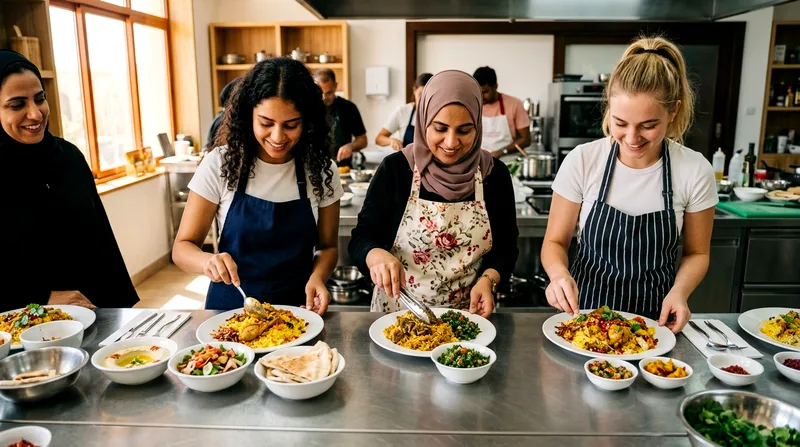
Cooking classes run two to four hours and typically include a market or ingredient briefing, hands-on prep of two to three dishes, and a shared meal at the end. You'll often make something like machboos (spiced rice with meat) or a regional bread. Group sizes are smaller than street tours — usually four to ten people — because kitchen space limits capacity. This category suits people who want a takeaway skill, not just a takeaway memory, and it's genuinely better for solo travelers than you'd think, since shared cooking stations naturally start conversation. The downside: classes cost more per person than walking tours and require more advance booking, since kitchens have fixed daily slots.
Private tours let you set the pace, swap out stops, and accommodate dietary restrictions without apology — useful if someone in your party has a serious allergy or you simply dislike touring with strangers. They cost noticeably more per person than group tours, often two to three times as much, because you're covering the guide's full rate rather than splitting it. Group tours, by contrast, are fixed-route and fixed-schedule, which actually works in your favor if you want a tested itinerary rather than one you have to help design. Couples and senior travelers tend to prefer private tours for the slower pace; solo travelers and budget groups do better in a shared tour.
Not every listing labeled a "food tour" is built the same way, and the details buried in the fine print matter more than the marketing photos. Before you book, read past the headline description to the inclusions list — that's where operators quietly cut corners.
Check whether drinks are included or extra, whether the "tasting" stops are full portions or sample bites, and whether transport between stops is on foot or by vehicle. A tour advertised as four hours that includes an hour of bus transfers between far-flung restaurants isn't really a four-hour eating experience — it's a two-hour one with padding. Group size matters too: anything over twenty people usually means you're trailing behind a guide holding a flag, not actually interacting with vendors. Aim for groups under fifteen for street tours and under ten for anything hands-on.
Abu Dhabi's heat and occasional dust events can disrupt outdoor tours, so look for a free cancellation window of at least 24 hours before booking — most legitimate operators offer this, and if one doesn't, treat it as a red flag. For dietary needs, don't assume "vegetarian-friendly" means vegan or halal-strict by default; message the operator directly through the booking platform before paying, especially for cooking classes where substitutions affect the whole group's dish. Pork is rare in Abu Dhabi generally, which simplifies halal concerns, but cross-contamination in shared kitchens is still worth asking about if you keep strict kosher or have a severe allergy.
Timing affects both comfort and price. Abu Dhabi's outdoor food tours are genuinely unpleasant in July and August, when afternoon temperatures regularly pass 40°C — if you're booking for summer, stick to evening slots or choose indoor cooking classes instead. November through March offers the most comfortable walking weather and is also when tour calendars fill up fastest, since it overlaps with peak European and world traveler visitor season.
Book outdoor street food tours at least three to five days ahead during winter months (November to March); popular evening slots around Hamdan Street can sell out faster than you'd expect for a mid-tier attraction. Summer tours are easier to book last-minute since fewer people choose outdoor walking during the heat, but early morning or after-dark timing is nearly mandatory. Cooking classes, limited by kitchen capacity, often need a week's notice regardless of season.
Aggregator platforms like Klook and TripAdvisor let you compare several tour operators side by side, filter by rating, and read recent reviews — genuinely useful for spotting which tours have slipped in quality. Some smaller operators, including boutique companies such as Forever Tourism, also take direct bookings through their own sites, which can mean better communication about dietary swaps but less price transparency and fewer independent reviews to check against. A sensible approach: shortlist on an aggregator, then check the operator's own site and recent Google reviews before paying, since review dates matter more than star averages for food tours — a kitchen's quality can change within months.
A food tour is only as good as what it puts in front of you, so know what you're aiming for. Machboos — spiced rice layered with chicken, lamb, or fish — is the closest thing Abu Dhabi has to a national dish, and any serious Emirati-focused tour or class should include it. Luqaimat, small fried dough balls drizzled in date syrup or honey, show up as a dessert stop on nearly every street tour and are worth the sugar hit. Harees, a slow-cooked wheat and meat porridge, appears less often on tourist-facing tours since it's more of a Ramadan staple, but ask for it specifically if you're visiting during that period.
Beyond individual dishes, pair your food tour with a cultural stop — many operators route tours to finish near Sheikh Zayed Mosque for sunset, since the lighting and the crowd thinning out make for a better visit than midday. It's not technically part of the meal, but it's the kind of pairing that makes a half-day booking feel worth the money rather than just a series of snacks. Gulf coffee (qahwa) served with dates is standard at the start or end of most tours — mildly bitter, cardamom-forward, and nothing like the sweet Arabic coffee sold in cafes aimed at tourists.
Most street food and market tours include a guide, four to eight tastings, and sometimes bottled water; transport, alcohol, and full meals are usually extra unless stated. Cooking classes typically include all ingredients, equipment, and the final shared meal. Always check the listing's inclusions section rather than assuming — "tasting" portions vary widely between operators.
Yes, most group tours can accommodate vegetarians with advance notice, and Abu Dhabi's large South Asian food scene makes vegetarian substitutions easy. Vegan options are less consistently available on fixed-route group tours, so vegan travelers should message the operator before booking or opt for a private tour where the itinerary can be adjusted stop by stop.
Street food and market tours generally run two to three and a half hours. Cooking classes run two to four hours including the shared meal. Private dining tours and fine dining tasting experiences also tend to fall in the two-to-four-hour range, though private bookings can be shortened or extended on request.
Prioritize machboos (spiced rice with meat), luqaimat (fried dough with date syrup), and Gulf coffee served with dates. If you're visiting during Ramadan, ask specifically about harees, a wheat and meat porridge rarely served outside that season.
Yes, private tours are widely available and let you set the pace, adjust stops, and handle dietary restrictions more easily than group tours. Expect to pay roughly two to three times the per-person rate of a group tour in exchange for that flexibility — worth it for families with specific needs or special occasions, less so for solo budget travelers.
Our Abu Dhabi best restaurants guide covers fine dining, Emirati food, seafood and budget eats by neighborhood — know where to book before you go.
8 min read · 8 Oct 2026
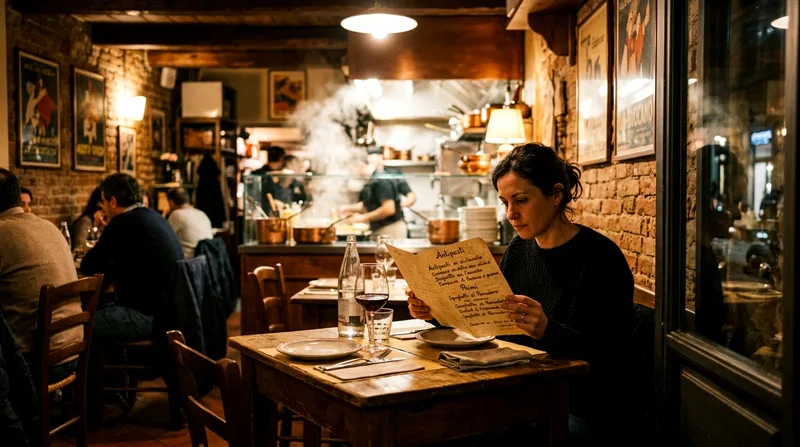
Is an Abu Dhabi food tour worth it? Compare cost, variety, and insider access against self-guided eating to find the best fit for your trip.
9 min read · 8 Oct 2026
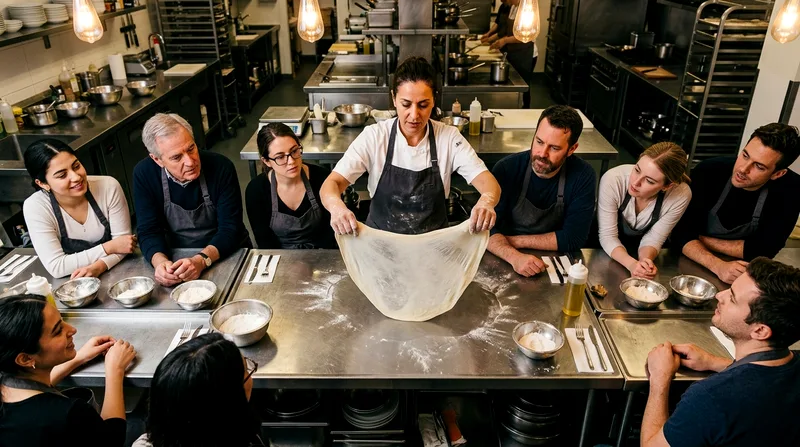
Learn Emirati cooking in Abu Dhabi. Compare group and private classes, pricing, inclusions, and booking tips for hands-on food workshops.
9 min read · 8 Oct 2026
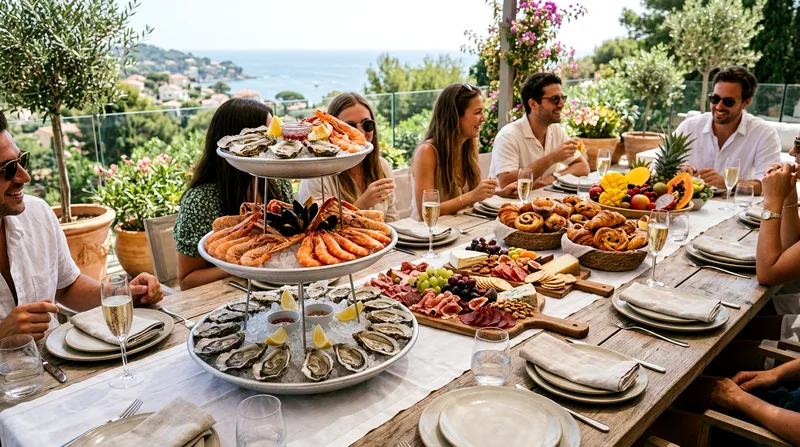
Compare Abu Dhabi brunch experiences — luxury hotel, waterfront, and family options. See package tiers, timing, and booking tips before you reserve.
9 min read · 8 Oct 2026
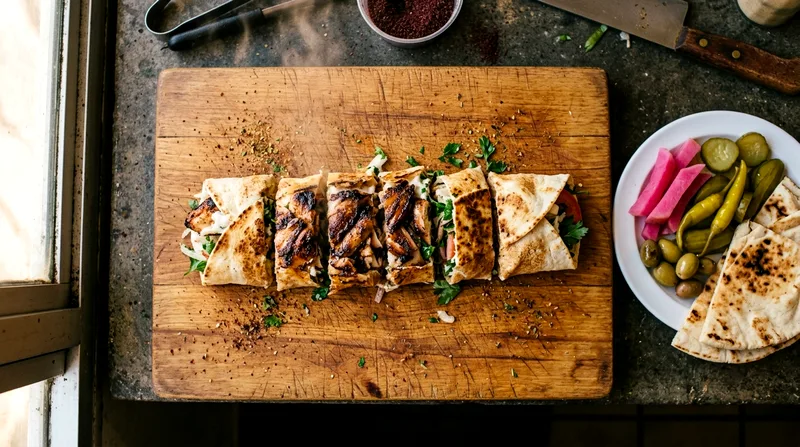
Compare guided Abu Dhabi street food tours through souks and local eateries. See tour types, inclusions, group sizes, and what to check before booking.
8 min read · 8 Oct 2026