Learn Emirati cooking in Abu Dhabi. Compare group and private classes, pricing, inclusions, and booking tips for hands-on food workshops.
Who Should Book a Cooking Class
An Abu Dhabi cooking class suits a narrower crowd than the usual desert safari or mosque tour, and that's fine — it's not meant to be a mass-market add-on. If you want to understand Emirati cuisine beyond what's on a hotel buffet, a workshop built around dishes like machboos, luqaimat, or regag bread will teach you more in three hours than a week of restaurant-hopping.
The ideal candidate already likes cooking at home, or at least enjoys eating with intention. You'll be grinding spice blends like bzar, portioning saffron, and learning the logic behind Middle Eastern cooking techniques — not just watching someone else do it. If you find kitchens tedious, you'll be bored by hour two.
Couples looking for a shared activity that isn't a beach day or a mall crawl tend to rate these highly, and so do small groups of friends who want a story to tell that isn't "we went up the Etihad Towers observation deck." Senior travelers who move at a slower pace often prefer a seated, indoor format to a rushed city tour — standing at a counter for two to three hours is manageable for most, though ask about seating breaks if mobility is a concern.
Food enthusiasts and home cooks
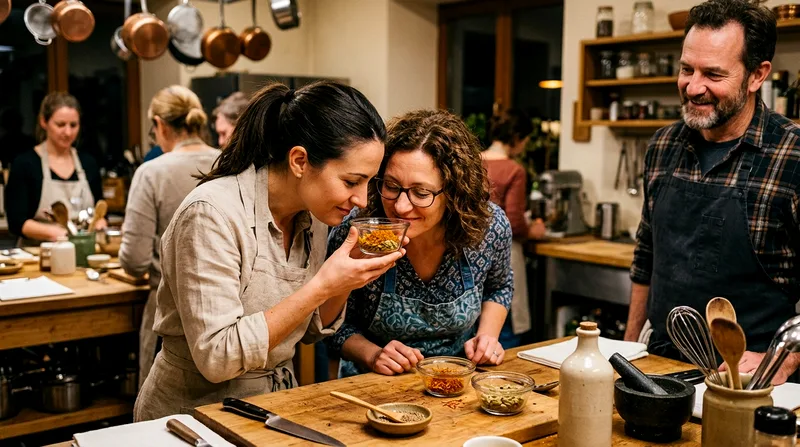
If you cook regularly at home, this is the traveler profile that gets the most value. You'll leave with techniques — how to toast and grind your own bzar blend, how to get the right texture on luqaimat dough, how long machboos rice actually needs to rest — that translate directly to your own kitchen. Ask the organizer in advance whether you'll receive a printed or digital recipe card; the better operators include one, the weaker ones don't, and that's a reasonable filter when comparing options.
Families and small groups
Families with children roughly eight and older generally do fine, since most hands-on tasks — rolling dough, stirring, plating — don't require sharp knives or hot oil work beyond adult supervision. Younger children will likely lose focus quickly in a 2.5-hour session. Small groups of four to six friends or relatives often get a better deal booking a semi-private slot than splitting into a larger open class, since you keep the social dynamic without competing for counter space.
Types of Cooking Classes Compared
Cooking classes in Abu Dhabi fall into a few recognizable formats, and the difference between them is less about the recipes taught — most cover similar Emirati staples — and more about group size, duration, and how much personal attention you get from the instructor.
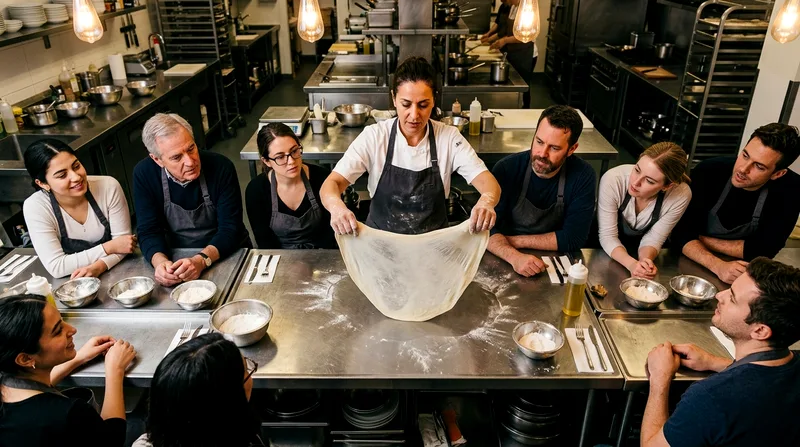
The baseline product is a group class in a dedicated culinary studio, often in Abu Dhabi's newer districts or attached to a hotel. These run for two to three hours and typically include one main dish, a bread or dumpling component (such as regag or samosa-style pastries), and a dessert like luqaimat. Private sessions cover the same ground but let you set the pace, ask more questions, and sometimes customize the menu — useful if someone in your group has a dietary restriction.
Some operators also run market-and-cook formats, where the session starts with a short walk through a spice market or grocery stop before heading to the kitchen. These add 30–45 minutes but give useful context on ingredients you won't recognize from a recipe card alone — saffron grading, dried lime (loomi), or the difference between Emirati and broader Middle Eastern spice blends.
Group classes cost less and suit solo travelers, while private sessions cost more but give full control over pace, menu, and dietary needs.
Abu Dhabi cooking class formats compared: group vs private, cost and flexibility
| Format | Typical Group Size | Duration | Flexibility | Best For |
|---|---|---|---|---|
| Group class | 6–12 people | 2–3 hours | Low — fixed menu | Solo travelers, budget-conscious couples |
| Private session | 2–8 people (your party) | 2–3 hours | High — customizable menu | Families, dietary restrictions, special occasions |
| Market-and-cook | 4–10 people | 2.5–3.5 hours | Medium | Food enthusiasts wanting context |
| Full-day format | 4–10 people | 5–7 hours | Medium | Dedicated food travelers with a free day |
Group sizes and durations vary by organizer; confirm specifics and current pricing before booking.
Group classes versus private sessions
Group classes usually run with six to twelve participants and one or two instructors, which keeps the price per person lower but means less individual correction — if your dough is too wet, you might not get noticed until the final stretch. Private sessions, by contrast, are built around your party size, often starting from two people, and the instructor's attention is entirely on you. Expect private bookings to cost noticeably more per person — sometimes double or more — but if you're celebrating an anniversary or traveling with someone who has a severe allergy, that premium buys real flexibility.
Half-day and full-day formats
Most classes run half-day format — two to three hours, one meal's worth of dishes, done by early afternoon. Full-day formats exist but are less common; they typically add a second cooking segment, a market visit, or a cultural stop (some combine a class with a short visit near Old Town Abu Dhabi or a spice souq). A full day suits travelers who want to anchor an entire day around food, but if you're also trying to fit in the Sheikh Zayed Grand Mosque or a day trip to Al Ain, a half-day class leaves you room to do both without rushing either.
What to Look for When Booking
Not all cooking classes are equal, and the marketing photos rarely tell you what you need to know. Before booking an Emirati cooking class in Abu Dhabi, look past the headline price and check three things: group size, what's actually included, and the cancellation policy.
Cancellation terms matter more here than for a city tour, because kitchen studios often buy perishable ingredients per booked head count. Many operators require 24–48 hours' notice for a full refund, and some classes with set minimum numbers get cancelled or rescheduled if too few people sign up — ask about this upfront if you're booking a group slot on a weekday.
Instructor background is worth a quick check too. The strongest classes are led by Emirati home cooks or chefs trained in traditional kitchens, not generic hospitality staff reciting a script. Reviews often mention this directly — look for comments about whether the instructor explained the "why" behind techniques (why rice is soaked before cooking machboos, for instance) rather than just the "what."
Class size and instructor ratio
A ratio of one instructor to six or fewer participants is reasonable for hands-on cooking; beyond ten or twelve people with a single instructor, you're watching more than doing. If the listing doesn't state a maximum group size, email and ask before paying — this single detail affects your experience more than almost anything else on the page.
Inclusions and meal components
Check whether the price includes the full meal you cook (eaten together at the end) or just tasting portions. Some classes include non-alcoholic drinks, aprons, and recipe cards; others charge extra for these or don't offer them at all. Classes that include a shared sit-down meal at a communal table tend to run slightly longer and cost a bit more, but they're worth it — eating what you made, with the group, is the part most people remember.
Best Time to Book Your Class
Timing affects both availability and comfort more than most travelers expect, especially given Abu Dhabi's climate and event calendar.
Seasonal demand and availability
Cooking classes see heavier demand from roughly October through April, when outdoor temperatures are manageable and overall tourist numbers to Abu Dhabi rise — this overlaps with when visitors also book desert safaris and boat tours, so kitchen studios can fill up on weekends. Ramadan is a distinct case: some operators pause daytime classes and shift to post-sunset "iftar cooking" sessions instead, which can be a genuinely memorable alternative if your dates align. Summer (June through August) sees lower demand and sometimes slightly easier last-minute booking, though it's also when some smaller studios reduce their schedule or close for staff leave.
Advance booking recommendations
For a standard group class, booking three to five days ahead is usually enough outside peak season. For private sessions, especially for groups of six or more or anything requiring a custom menu, book one to two weeks out — the better instructors have limited private slots and sell out of the popular midweek evening times first. If your trip includes a specific date like an anniversary, don't leave it to the last 48 hours; that's exactly when you'll find the good private slots gone and only a crowded group class left.
What to Expect on the Day
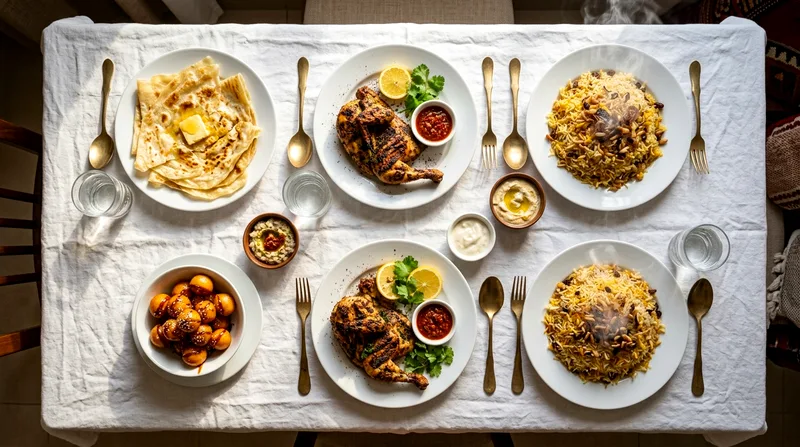
A typical Emirati cooking class starts with a short introduction to the dishes and the spices you'll be using — expect to handle bzar, saffron, dried lime, and cardamom, often passed around for smell and taste comparison before cooking begins. Instructors usually demonstrate a technique first (kneading regag dough thin enough to see through, for example), then let you replicate it at your own station or in pairs.
Expect some genuine mess and some waiting — rice needs to steam, dough needs to rest — and a good instructor fills that downtime with context about Emirati food traditions, not just silence. Most classes end with everyone sitting down together to eat what was cooked, which is as much a social component as a culinary one; this is where group classes sometimes shine more than private ones, since you're sharing the meal with strangers who just went through the same flour-covered chaos you did.
Wear something you don't mind getting a little dirty, tie back long hair, and skip strong perfume — you'll be working closely with spices and want to actually smell them. Most studios provide aprons, but closed-toe shoes are a sensible idea given hot pans and knife work, even if not strictly required.
Compared to a desert safari booked for the same evening, a cooking class is a lower-adrenaline, higher-conversation experience — better suited to couples and families wanting to talk and learn, not thrill-seekers. And compared to similar food workshops in Dubai, where options skew toward flashier, Instagram-styled studios, Abu Dhabi's classes — along with similar offerings you'll find around Al Ain — tend to lean more traditional and less performative, which some travelers prefer and others find less flashy than expected.
Frequently asked questions
What recipes do Abu Dhabi cooking classes teach?
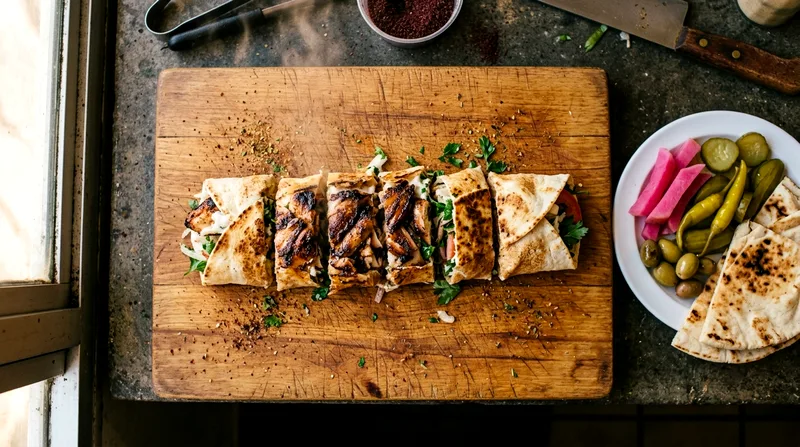
Most classes cover Emirati staples: machboos (spiced rice with meat or chicken), luqaimat (fried dough balls in date syrup), regag (thin crepe-like bread), and sometimes samosa-style pastries or a saffron-spiced dessert. Spice work is central — expect to handle and grind bzar, the Emirati spice blend, as part of the hands-on component.
Are cooking classes better in groups or private sessions?
Groups suit solo travelers and budget-conscious couples who don't mind sharing attention and want a lower price point. Private sessions suit families, dietary restrictions, or special occasions, since you control the pace and menu — but expect to pay a noticeable premium over the per-person group rate.
What should I bring to a cooking class?
Wear clothes you don't mind getting flour or oil on, tie back long hair, and avoid strong perfume since you'll be working directly with spices. Closed-toe shoes are a good idea. Most studios supply aprons and all ingredients, so you don't need to bring cooking tools.
How far in advance should I book?
Book group classes three to five days ahead outside peak season (October to April), and private sessions one to two weeks ahead, especially for groups of six or more or for a specific date like an anniversary. During peak months, earlier booking reduces the risk of your preferred time slot selling out.
Do cooking classes include meals?
Most include a shared meal at the end — you eat what you cooked, usually at a communal table with the group. Some budget options only offer tasting portions rather than a full meal, so check the listing's inclusions section or ask directly before booking.