Is an Abu Dhabi food tour worth it? Compare cost, variety, and insider access against self-guided eating to find the best fit for your trip.
Guided Food Tours vs Self-Guided Eating
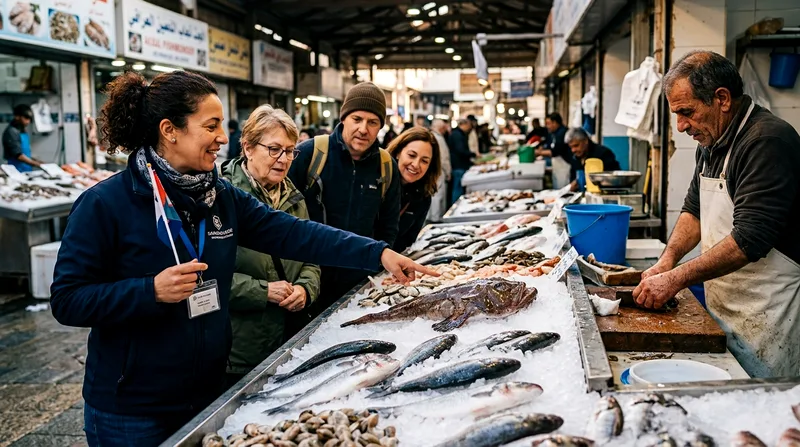
Deciding between a guided food tour and exploring Abu Dhabi's dining scene independently comes down to four factors: cost, convenience, authenticity, and how much you enjoy figuring things out on your own. Abu Dhabi doesn't have the sprawling street-food culture of Bangkok or the compact old-town density of a European city where you can wander and stumble onto good food. Its best Emirati and Gulf Arab cooking is often tucked into strip malls near Hamdan Street, inside the Al Mina fish market area, or in family-run spots in Mussafah that don't show up well on review apps.
That geography is exactly why the "Abu Dhabi food tour worth it" question has a real answer rather than a generic one: yes, for a specific type of traveler, and no for another. If you're the kind of person who researches obsessively before a trip — reads Arabic-script menus with a translation app, checks Google Maps reviews written in Arabic, isn't afraid to eat alone in a room full of taxi drivers — self-guided eating will serve you well and cost less. If you'd rather hand that homework to someone else and get a curated, walkable sequence of stops in one afternoon, a guided tour is the better buy.
What's Included in a Typical Tour
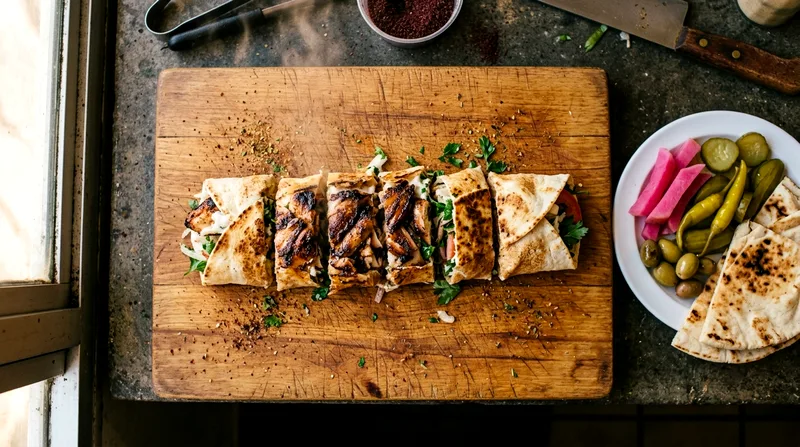
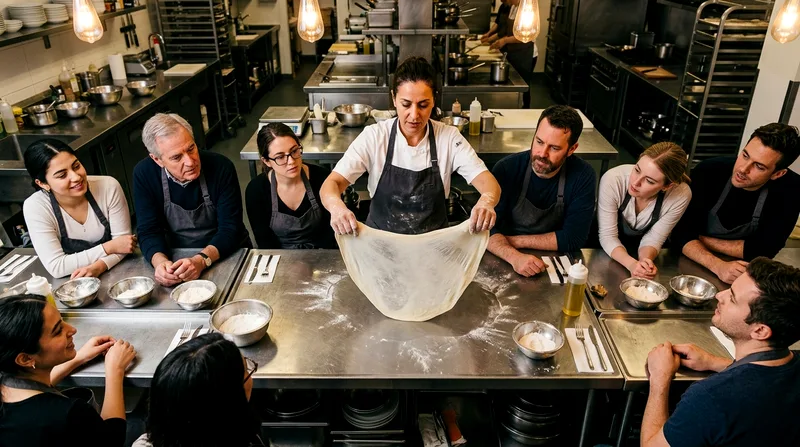
A typical Abu Dhabi food tour runs three to four hours and covers four to six stops on foot or with short van transfers between neighborhoods — often pairing a traditional souk or market visit with a sit-down Emirati meal and a couple of casual street-style tastings (shawarma, karak tea, regional sweets like luqaimat). Group sizes are usually small, between six and twelve people, led by a guide who's often a long-term resident rather than an Emirati national, since the guiding workforce in the UAE is largely expatriate. Most tours include all food and drink tasted along the route, commentary on Emirati customs and ingredients, and sometimes a market tour component where the guide explains spices, dates, or fish varieties you'd otherwise walk past without context. Transport between stops, when needed, is typically included in the price.
What Self-Guided Dining Offers
Self-guided dining offers something a tour can't: total control over pace, cuisine, and spend. You can linger over a long lunch, skip a dish you don't like without awkwardness, and return to a restaurant you loved the next night. Abu Dhabi's dining guides and food blogs cover a reasonable amount of ground — enough to build a three-day eating itinerary around neighborhoods like Al Zahiyah (formerly Tourist Club Area) for Emirati and South Asian food, or Al Khalidiya for more upscale options. The catch: without local insight, you'll likely default to places with English menus and Google reviews in English, which skews you toward tourist-friendly spots and away from the genuinely local ones that a guide would walk you straight into.
Cost Per Meal and Budget Breakdown
Cost is where the decision usually gets made, so it's worth being blunt about the math. Guided food tours in Abu Dhabi are priced per person, not per meal, which changes how you should think about value.
A guided food tour costs more per outing but front-loads variety and access that self-guided eating takes days to replicate.
Abu Dhabi food tour vs self-guided eating: cost, access, and value compared
| Option | Typical cost per person | Stops/dishes covered | Local access | Best for |
|---|---|---|---|---|
| Group food tour | AED 250–450 | 4–6 tastings | High — guide-led | First-timers, solo travelers |
| Private food tour | AED 500–800 | 4–6 tastings, custom pace | Very high | Couples wanting flexibility |
| Self-guided (budget) | AED 80–150 for 2–3 meals | 2–3 meals | Low–medium, trial and error | Budget travelers, repeat visitors |
| Self-guided (planned with dining guide) | AED 100–200 for 2–3 meals | 2–3 meals, better picks | Medium | Independent researchers |
Figures are typical ranges and vary by season and operator; check current prices before booking.
Tour Pricing Structure
Expect to pay roughly AED 250–450 (around $70–125) per person for a group food tour of three to four hours with five or six tastings included. Private or smaller-group tours run higher, sometimes AED 500–800 per person, since you're paying for a guide's exclusive time rather than splitting it across a dozen travelers. That price covers all the food and drink sampled, plus the guide's commentary and any transport between stops — so there's no hidden à la carte bill at the end. Compare that to a Dubai food tour, which tends to run slightly higher given the city's broader culinary range and higher operating costs, or a Doha equivalent, which is usually priced similarly to Abu Dhabi. Check current prices and included stops before you book, since operators adjust routes seasonally around Ramadan hours and extreme summer heat.
Self-Guided Meal Costs
Eating independently, a solid Emirati or South Asian meal at a casual local restaurant typically costs AED 20–45 ($5–12) per person, and even a nicer sit-down dinner rarely exceeds AED 100 ($27) unless you're at a hotel restaurant or upscale spot on the Corniche. Over a similar three-to-four-hour window, if you ate at two or three self-guided stops, you'd likely spend AED 80–150 total — noticeably less than a tour price covering the same number of tastings. The gap narrows if you factor in taxi fares between neighborhoods (Abu Dhabi's spread-out layout means walking between distant food districts isn't realistic) and the inevitable mediocre meal you'll hit while exploring blind. Self-guided eating is cheaper on paper, but the savings shrink once you account for wasted time and the occasional bad pick.
Variety, Access, and Local Insights
This is the section where guided tours genuinely separate themselves from independent exploration, and it's the strongest argument for paying the premium.
Insider Restaurant Access and Underrated spots
Abu Dhabi's most interesting food isn't concentrated in one walkable old quarter the way it might be in Muscat's Mutrah souk or Manama's Bab Al Bahrain area. It's scattered across labor-camp canteens, Iranian bakeries near the fish market, and Emirati home-style kitchens that rarely bother with an online presence. A guide who's spent years building relationships with these places can walk you straight to the counter and order in Arabic or Malayalam on your behalf — something no amount of pre-trip Googling replicates easily. Left on your own, you'll find plenty of competent restaurants through review apps, but you'll likely miss the unmarked door that locals actually queue at.
Breadth of Dishes and Cuisines Sampled
A single guided tour can realistically expose you to Emirati machboos, Lebanese mezze, South Asian biryani, and Iranian grilled kebabs in one afternoon — a reflection of Abu Dhabi's layered expatriate population rather than a contrived tourist sampler. Doing that independently would take two or three separate outings and a fair bit of trial and error, since you'd need to identify which cuisines cluster where. The trade-off is portion size: tour tastings are deliberately small so you can sample widely without getting full after stop two, which some travelers find unsatisfying if they came hungry for a full meal.
Time, Effort, and Convenience Factors
Time is the resource most travelers underestimate when comparing these two options, especially on a short Abu Dhabi stopover of two or three days tacked onto a longer Gulf itinerary that might include Dubai, Sharjah, or a day trip to Al Ain.
Planning and Logistics
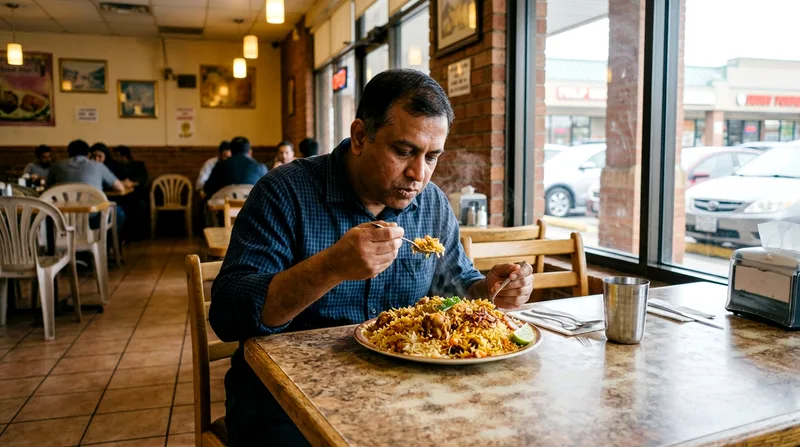
A guided tour requires zero planning beyond booking — you show up, and the route, reservations, and payment are handled. Self-guided eating demands real prep: cross-referencing restaurant hours (many close in the afternoon and reopen after sunset, especially during Ramadan), confirming a spot still exists (turnover among small local restaurants is higher than you'd expect), and arranging transport, since Abu Dhabi's food districts aren't walkable between each other the way Doha's Souq Waqif area is. If you enjoy that kind of planning, it's part of the trip's fun. If you don't, it eats into time you'd rather spend actually eating.
Crowds and Pacing
Tours move at a fixed pace set by the group, which means less flexibility if you want to linger or skip ahead — a real downside for travelers who hate feeling rushed through a meal. Self-guided eating lets you set your own rhythm entirely, lingering over karak tea for an hour if you want. Watch out for one thing regardless of which you choose: Abu Dhabi's popular casual eateries get genuinely busy around 1–2pm and 8–9:30pm local time, so either book ahead or plan to eat slightly off-peak.
Who Should Choose Each Option
The right choice depends on your budget, time availability, comfort with navigation, and how much you value local expertise versus independence — not a universal rule.
Best for Solo Travelers
For solo travelers, a guided food tour offers something beyond food: company. Eating alone at an unfamiliar restaurant abroad is fine for some people and uncomfortable for others, and a small-group tour solves that automatically while also providing a built-in safety net — you're never navigating an unfamiliar neighborhood alone after dark. The cost per person on a group tour is also more reasonable solo than private dining experiences, which often carry single-traveler surcharges. If budget is tighter than comfort, though, self-guided lunchtime eating at casual spots in Al Zahiyah is low-risk, affordable, and perfectly safe during daylight hours.
Best for Couples and Groups
Couples on a short trip — say, a long weekend combined with a Louvre Abu Dhabi visit and a Sheikh Zayed Mosque morning — get strong value from a group or private food tour because it compresses variety into a single efficient outing, leaving more hours free for sightseeing. Groups of four or more often do better self-guided, since splitting a few larger meals across more people brings the per-head cost down close to tour pricing anyway, while giving everyone more say over where to eat. Larger families with children, in particular, usually do better picking two or three solid restaurants independently rather than committing a toddler to a four-hour walking tour.
Frequently asked questions
Are food tours worth it in Abu Dhabi?
Yes, for most first-time visitors and solo travelers, because Abu Dhabi's best local food is scattered and often unmarked. If you're on a tight budget or staying more than four days, mixing one guided tour with self-guided meals afterward gets you both the access and the savings.
How much do guided food tours cost?
Group food tours typically run AED 250–450 ($70–125) per person for three to four hours with multiple tastings included. Private tours cost more, often AED 500–800 per person, since you get a dedicated guide and flexible pacing. Always check current prices when booking, since routes and inclusions shift seasonally.
Can solo travelers enjoy food tours?
Yes — small-group food tours are one of the more solo-friendly activities in Abu Dhabi, since you're placed with a handful of other travelers and a local guide, removing the awkwardness of dining alone. Most operators don't charge solo surcharges on group tours, unlike many private dining experiences.
What's included in an Abu Dhabi food tour?
Most include four to six food and drink tastings, a guide's commentary on Emirati culture and ingredients, transport between stops when needed, and sometimes a market or souk walkthrough. Tips and any additional à la carte orders beyond the set tastings are usually not included.
Is self-guided eating cheaper than tours?
Generally yes — a self-guided meal at a casual local restaurant costs AED 20–45 per person, well below the per-person tour price. The savings shrink once you factor in taxi costs between food districts and the time spent researching where to actually eat.