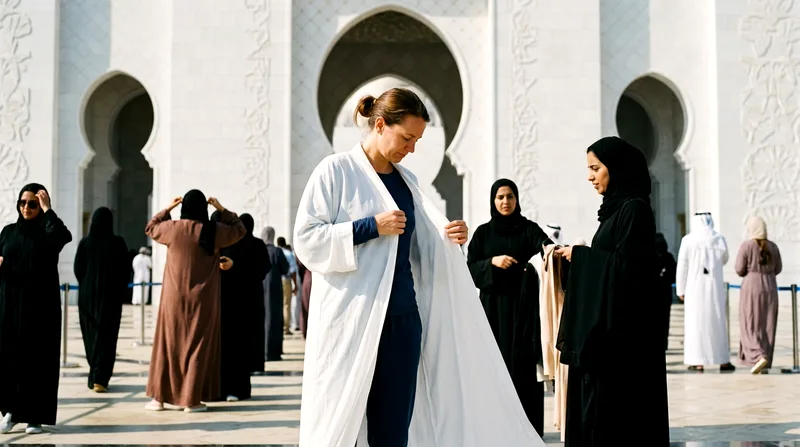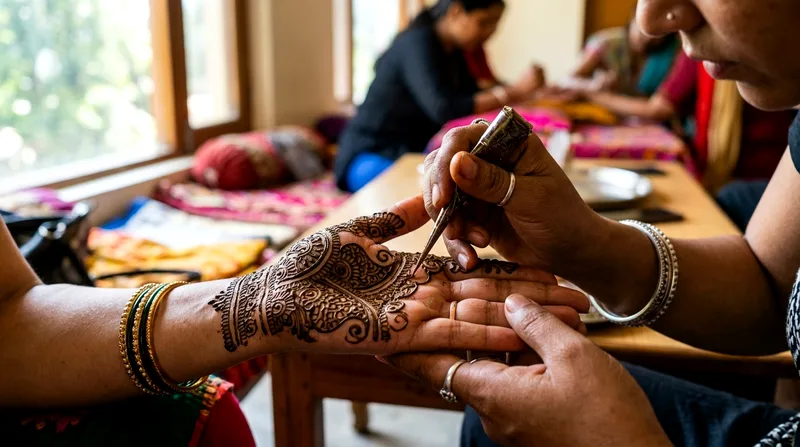
Compare Abu Dhabi traditional workshop experiences — Emirati cooking classes, perfume making, calligraphy and henna. Find the right fit before booking.
Who Each Workshop Type Suits Best
An Abu Dhabi traditional workshop experience works best when you match the craft to your group, not the other way round. A perfume-blending session that delights a couple on a quiet afternoon might bore a seven-year-old within twenty minutes. A calligraphy class that feels meditative to a retired traveler could frustrate a teenager who wants to move around.
The city has leaned into this kind of tourism hard over the past decade, partly because Louvre Abu Dhabi and Saadiyat Island's cultural district raised expectations for depth rather than just souvenir shopping. Workshops now sit alongside heritage sites like Heritage Village and the Al Mina Heritage Area as a way to fill an afternoon with something more textured than another mosque photo stop at Sheikh Zayed Grand Mosque.
I'd avoid booking a workshop as your only cultural activity on a short trip — pair it with at least one heritage site so the hands-on experience has context. A cooking class means more once you've seen how Emiratis historically lived at Heritage Village; perfume blending lands better after wandering the souks near Old Town Abu Dhabi where oud and attars are still sold loose from glass bottles.
Couples Seeking Cultural Connection
Couples tend to get the most out of perfume and oud workshops, partly because the pace is slow and conversational, and partly because you walk away with something personal — a scent blend that's actually yours, not a generic gift shop bottle. Sessions typically run 60 to 90 minutes and involve choosing a base oil, then layering notes under guidance.
Calligraphy works nearly as well for couples, especially if you want a quieter, less sensory activity. The downside: it requires more patience and a steadier hand than people expect, and some couples find one partner finishing early while the other struggles with brush control. If that sounds like you, ask whether the class offers two difficulty tracks before booking.
Families with Children
Cooking classes and henna sessions are the clear winners for families. Kids generally engage better with food — rolling dough, shaping dumplings, tasting as they go — than with anything requiring fine motor precision like calligraphy. Most family-oriented cooking workshops run 90 minutes to two hours and include a shared meal at the end, which doubles as lunch or dinner.
Henna workshops suit a wider age range, including children as young as five, since the activity is passive for the kid (someone else does the drawing) and the wait time is short — designs usually take 10 to 20 minutes to apply and need to dry without smudging. Skip perfume blending with young children; the concentrated oud oils and the slow, detail-oriented process don't hold their attention, and spilled oil on clothing is a real risk worth avoiding.
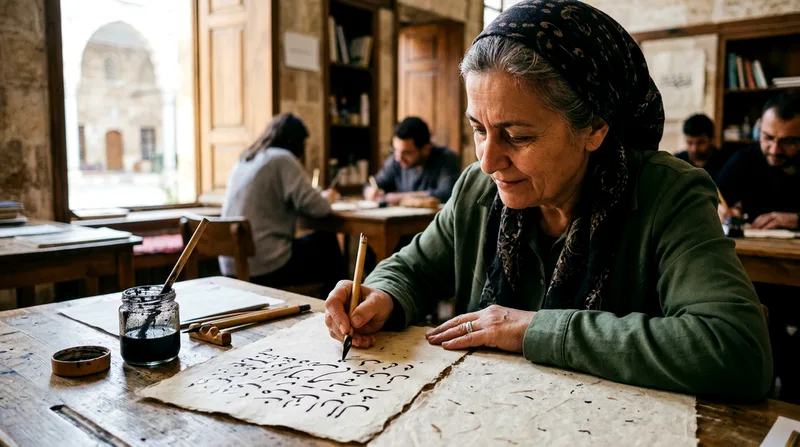
Main Workshop Categories Compared
Four categories dominate the Abu Dhabi traditional workshop experience market: Emirati cooking, perfume and oud blending, Arabic calligraphy, and henna or textile crafts. Each has a distinct rhythm, skill curve, and payoff, and none of them should be mistaken for the others when you're comparing options.
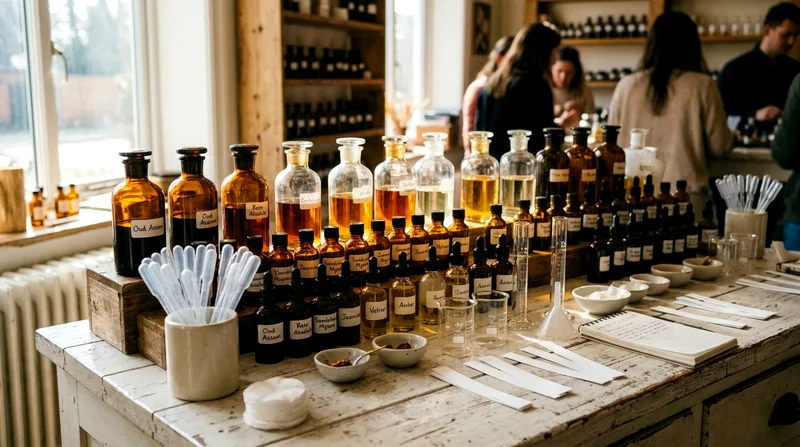
Cooking classes offer the most cultural depth per hour, while henna and perfume workshops suit shorter attention spans and tighter schedules.
Abu Dhabi traditional workshop experience categories compared by duration and suitability
| Workshop Type | Typical Duration | Skill Level | Best For | Takeaway |
|---|---|---|---|---|
| Emirati Cooking | 2-3 hours | Easy, hands-on | Families, food lovers | A shared meal plus recipe knowledge |
| Perfume/Oud Blending | 45-90 min | Easy, no skill needed | Couples, gift seekers | Personal scent bottle |
| Arabic Calligraphy | 60-90 min | Moderate, needs patience | Seniors, solo travelers | A practiced script sample |
| Henna Application | 20-45 min | Easy, passive | Families with young kids | Temporary body art |
| Textile/Sadu Weaving | 30-60 min (often add-on) | Moderate | Craft enthusiasts | Brief loom experience |
Durations are typical ranges; always confirm the exact format and inclusions when booking, since listings vary by host.
Emirati Cooking and Food Traditions
An Emirati cooking class Abu Dhabi typically covers dishes like machboos (spiced rice with meat or fish), luqaimat (fried dough balls in date syrup), or regag bread, usually in a group of 6 to 12 people working in pairs or trios. Sessions run two to three hours including the meal, and most are led by a local host who talks through spice origins — cardamom, saffron, dried lime — while you cook.
This category gives the most cultural depth per hour of any workshop on this list, because food carries history that a 20-minute craft demo can't match. The trade-off is time: you're committing half a day if you count travel and the meal. If you're short on time in Abu Dhabi, this isn't the workshop to squeeze in between the Louvre and the Corniche.
Perfume Blending and Oud Creation
Traditional perfume making Abu Dhabi sessions focus on attars — alcohol-free oil-based perfumes — and oud, the resinous wood scent central to Gulf hospitality. You'll typically sample four to eight base notes, then blend your own combination into a small bottle to take home. Sessions run 45 minutes to 90 minutes and need no prior experience.
It's the most "giftable" workshop — you leave with a wearable product rather than a photo of a dish you ate an hour ago. The catch: quality varies enormously depending on whether real oud oil is used or a synthetic substitute, and that's rarely disclosed upfront. Ask directly before booking, since genuine oud-based blends cost noticeably more to produce and should be priced accordingly.
Arabic Calligraphy and Design
An Arabic calligraphy workshop Abu Dhabi usually introduces the Naskh or Diwani script styles, teaching you to write your name or a short word using a reed pen (qalam) and ink. Classes run 60 to 90 minutes and are almost always seated and quiet, making them a strong choice for senior travelers or anyone who finds busier activities tiring.
The learning curve is steeper than it looks — most participants produce something closer to a rough sketch than elegant script in a single session, and instructors vary in how much they correct versus let you struggle. This is a workshop to go into with modest expectations: you're sampling a craft, not mastering it in an hour.
Henna and Textile Crafts
Henna workshops are the most passive but highest-satisfaction option for mixed groups, since even reluctant participants usually enjoy getting a design applied. Some combine henna with a short intro to traditional Emirati textile weaving (sadu), letting you try a loom for a few minutes even if the finished piece is pre-made.
Textile-focused sessions are harder to find as standalone bookings and are more often folded into broader heritage tours around Al Mina Heritage Area or Heritage Village. If textile weaving specifically interests you, check the itinerary carefully — many "craft experience" listings use the word loosely and deliver mostly henna with a brief weaving demonstration tacked on.
What to Look for When Booking
The biggest mistake travelers make when booking an Abu Dhabi craft experience is comparing only the craft, not the format. Two "Emirati cooking class" listings can be wildly different experiences depending on group size and what's actually included, so read past the headline.
Group Size and Class Structure
Private workshops, usually capped at two to six people, give you direct access to the instructor and more flexibility on timing — useful if you're traveling with children who need breaks. Group sessions, often 10 to 20 people, cost less per person but mean less individual attention and a fixed pace that doesn't suit everyone.
For couples and solo travelers, group sessions are usually the better value, since the social element adds something a private session doesn't. For families with young kids or anyone with dietary restrictions affecting a cooking class, the extra cost of a private or small-group booking is usually justified — you can ask the instructor to adjust spice levels or substitute ingredients without holding up ten other people.
Inclusions and Materials Provided
Check specifically whether the listing includes materials to take home — a bottle for perfume, an apron or recipe card for cooking, ink and paper for calligraphy — versus just the experience itself. Some listings bundle hotel pickup; many don't, and transport around Abu Dhabi's spread-out districts (Saadiyat Island workshops versus ones near Old Town Abu Dhabi) can add 30-45 minutes each way.
Also check the cancellation policy before paying. Many cultural workshop bookings in Abu Dhabi allow free cancellation up to 24 hours ahead, but some smaller, boutique-style hosts enforce 48-hour windows or charge a partial fee for no-shows. Compare current prices and cancellation terms directly on the booking page before confirming — terms shift between listings more than people expect.
When to Book Your Workshop
Booking windows for an Abu Dhabi traditional workshop experience are generally forgiving compared to, say, securing a table at a popular Dubai restaurant — but popular family-friendly cooking classes during school holidays and the cooler months do fill up.
Seasonal Considerations and Availability
November through March is peak season in Abu Dhabi, with comfortable daytime temperatures in the low-to-mid 20s Celsius, and this is when workshop slots — especially weekend family sessions — book out fastest, sometimes a week or more ahead. Summer (June to September) brings extreme heat, often above 40°C, which actually makes indoor workshops more appealing as a midday activity, and availability is generally easier to secure with just a day or two's notice.
If you're combining a workshop with a broader Abu Dhabi itinerary that includes Louvre Abu Dhabi or a desert tour, book the craft session first — it's usually the easiest piece to slot around sunset timings for photography or prayer-time closures at Sheikh Zayed Grand Mosque. Ramadan timing is worth flagging separately: some cooking classes adjust schedules around fasting hours, and a few pause food-tasting components during daylight, so confirm this directly if your visit falls during that period.
Preparing for Your Workshop Experience
Dress modestly for any cultural workshop in Abu Dhabi — shoulders and knees covered is the safe default, even indoors, since many hosts operate out of heritage-style venues near Al Mina Heritage Area or traditional houses where modest dress is expected as a courtesy rather than a strict rule. For cooking classes, wear something you don't mind getting a little flour or oil on; aprons are often provided but sleeves still get in the way.
Arrive on an empty-ish stomach for cooking workshops — portions from the final shared meal are usually generous, and showing up full defeats the purpose. For perfume blending, skip wearing your own cologne or heavy lotion that day, since it interferes with your ability to judge the scents you're blending. Bring a small notebook or use your phone to jot down the ratios of whatever perfume blend you create; hosts rarely give you a written recipe, and recreating a favorite blend later at home is otherwise guesswork.
One thing I wouldn't bother with: workshops marketed as "VIP" or "exclusive" purely because of the label. Unless it specifically lowers group size or adds a tangible inclusion like a rare ingredient or extra take-home item, the premium tier is often just a pricing tier, not a materially different experience. Read the inclusions list, not the marketing adjective.
Frequently asked questions
What is included in a typical Abu Dhabi workshop experience?
Most include the hands-on activity, materials or ingredients, and instructor guidance throughout. Cooking classes usually include the finished meal; perfume and calligraphy sessions usually include a take-home item (bottle, script sample). Transport and hotel pickup are often separate — check the listing specifically rather than assuming it's bundled.
Are traditional craft workshops suitable for beginners?
Yes — nearly all are designed for first-timers with no prior skill. Cooking and henna require the least technical ability. Calligraphy has the steepest learning curve of the common options, so go in expecting a rough first attempt rather than a polished result after one session.
How far in advance should I book a workshop?
Book three to seven days ahead during peak season (November-March), especially for weekend family cooking classes. In summer, a day or two's notice is usually enough since demand drops with the heat, though it's worth checking live availability rather than assuming either way.
Can families with young children join these workshops?
Yes, particularly cooking and henna workshops, which suit children from around age 5 upward. Perfume blending and calligraphy work better for children aged 10 and up, since both require patience and fine motor control that younger kids often don't have yet.
What should I wear to a traditional cooking or craft workshop?
Modest clothing covering shoulders and knees is the safe default for any workshop, regardless of venue. For cooking classes, wear something you don't mind staining slightly, even with an apron provided. For henna, choose short sleeves so fabric doesn't smudge the design while it dries.