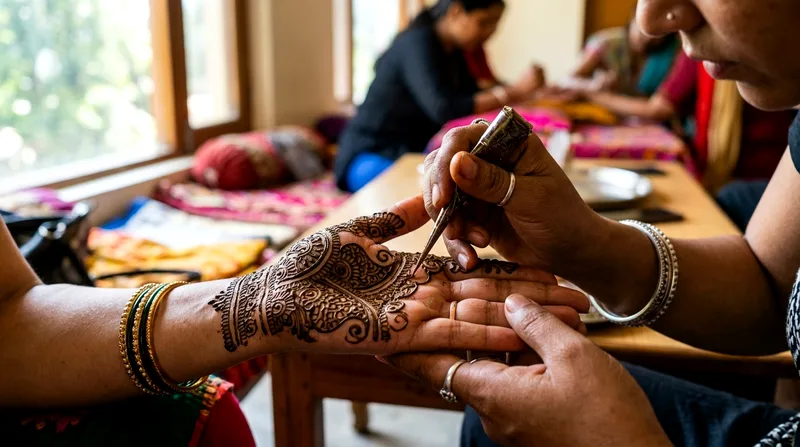
Compare Abu Dhabi pearl diving experience tours, see who they suit, what's included, and how to book a dhow trip with confidence.
Who Pearl Diving Tours Suit Best

An Abu Dhabi pearl diving experience is built around storytelling and demonstration rather than physical exertion, which makes it a strange fit for some travelers and a near-perfect one for others. If you're picturing scuba gear and a guided descent to a reef, recalibrate — most tours involve a traditional diver, often freediving in shallow water without modern equipment, showing you how pearl hunters worked a century ago before the Gulf's pearling economy was overtaken by Japanese cultured pearls in the 1930s. The actual diving portion usually lasts 10 to 20 minutes; the rest of the two-to-four-hour outing is boat time, narration, and sometimes a tea or snack service on deck.
That structure suits people who want cultural depth without physical demand. It suits people who get bored on jet ski tours or desert safaris that are all adrenaline and no context. It does not suit anyone expecting hands-on diving themselves — a handful of operators let guests try shallow free-diving with guidance, but this is the exception, not the rule, and should be confirmed before booking if it matters to you.
Families and Children
Pearl diving tours for families in Abu Dhabi work best with children aged seven and up who can sit through 20 to 30 minutes of historical narration without losing interest. Younger kids tend to get restless on a slow-moving dhow with no onboard entertainment beyond the view. The flat, calm waters near the coast mean motion sickness is rarer than on open-sea trips to Yas Marina's offshore routes, which is a point in its favor compared to, say, a Dubai dolphin-watching speedboat tour that bounces across chop. Bring sun hats and reef-safe sunscreen regardless of age — shade on a traditional dhow is often limited to a canopy over part of the deck, not the whole boat.
Couples and Solo Travelers
Couples get more out of this than almost any other traveler type, mainly because the pace rewards conversation and quiet observation rather than action. Sunset departures — when available — turn a historical demonstration into a genuinely good photo opportunity, with golden light over the water near Al Rams fishing village or similar coastal backdrops. Solo travelers should lean toward group tours rather than private charters; a private dhow booked for one person costs disproportionately more per head and doesn't add much to an experience that's inherently social and narration-driven anyway.
Seniors and Accessibility Needs
Seniors who are steady on their feet and comfortable with a short walk down a gangplank generally do fine on these tours — seating is usually on cushioned benches or carpeted decks, and nobody is required to get in the water. The honest caveat: boarding a traditional wooden boat rarely involves a ramp or lift, and there's often a step up or down of 30-50 cm between the dock and the deck. If mobility is a real concern, ask the operator directly about boarding arrangements before paying, rather than assuming accessibility because the activity itself is low-impact.
Main Pearl Diving Tour Types
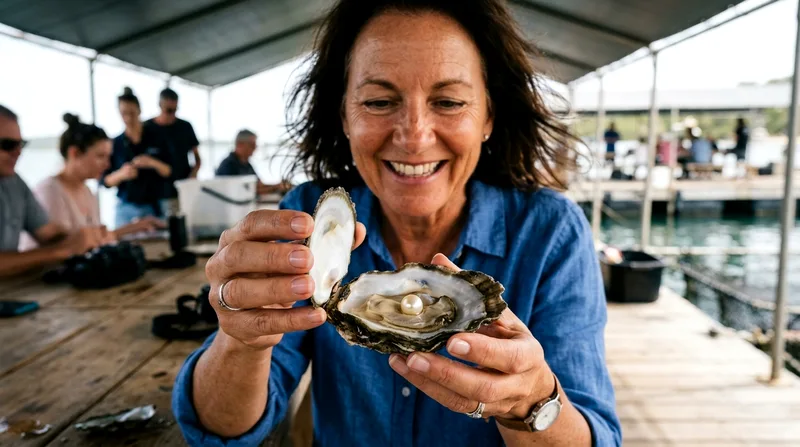
Most pearl diving tour Abu Dhabi listings fall into a few recognizable formats, and the differences matter more than the marketing copy suggests. Heritage-focused half-day tours are the most common: a dhow trip combined with a diving demonstration, a shell-opening activity where guests sometimes get to keep a cultured pearl, and a guide narrating the UAE pearl diving heritage — including how divers once worked without oxygen, using nose clips and ear plugs made of wax, diving in pairs with one rope-puller on deck. Some itineraries bundle this with a wider dhow cruise featuring lunch or dinner, which shifts the focus toward dining rather than the pearling history itself — worth checking before you book if heritage is the main draw.
A smaller category runs out of specific heritage sites rather than Abu Dhabi's main marina. Suwaidi Pearls, for instance, operates out of Ras Al Khaimah and is often mentioned alongside Abu Dhabi options because travelers compare the two; it leans harder into farm-style pearl cultivation education than the maritime demonstration model. House of Pearls—style venues in and around Abu Dhabi focus more on museum-style exhibits and jewelry context, pairing well as an add-on rather than a standalone water activity.
Traditional Dhow Experiences
The traditional dhow is the default vessel for these tours — a wooden boat with a broad beam, shaded seating area, and enough deck space for 15 to 40 passengers depending on size. Some operators use a smaller jalboot wooden diving boat for a more authentic feel, since jalboots were historically the working vessels used by pearl diving crews rather than the larger dhows used for trade. A jalboot-based tour tends to carry fewer passengers — often under 12 — and gets closer to the actual diving demonstration, which matters if photos or close observation are a priority. Ask which vessel type is used; "dhow" gets used loosely in marketing and doesn't always mean the boat you're picturing.
Group vs. Private Tours
Group tours are cheaper per person and run on fixed schedules, which suits travelers without flexible plans. They typically mix nationalities and ages, and the narration is delivered once to everyone rather than tailored. Private tours cost considerably more — often two to four times the per-person group rate — but allow custom timing, a slower pace for seniors or young children, and sometimes a private diving demonstration rather than a shared one. For a family with mixed ages or anyone with specific accessibility questions, paying the premium for a private booking can genuinely improve the experience rather than just adding exclusivity for its own sake.
What to Look for When Booking
The biggest mistake travelers make booking a pearl diving heritage experience is assuming all listings are interchangeable because they use similar photos of divers and shells. They aren't. Read the itinerary line by line, not just the headline description.
Inclusions and Activity Details
Check whether the price includes a pearl to keep — many tours let you open an oyster shell and take home whatever's inside, but some charge extra for this or only include it on higher-tier bookings. Confirm whether tea, dates, or a light meal is included, since dhow tours in the region often bundle refreshments but not always lunch. Also check the actual diving component: is it a guide performing a demonstration dive, or does the itinerary promise guest participation? Listings that are vague on this point usually mean demonstration-only.
Group Size and Vessel Type
Ask how many passengers the boat holds and compare it to the group size quoted. A dhow rated for 40 but booked with 15 guests feels spacious; the same boat at full capacity feels cramped, especially with limited shaded seating. Vessel type also affects stability — smaller jalboots sit lower and can feel tippier to nervous travelers than a larger dhow, which matters if anyone aboard has balance concerns or motion sensitivity.
Cancellation and Refund Policies
Weather cancellations happen, particularly with strong shamal winds in winter months. Look for a policy that offers a free reschedule or full refund for weather-related cancellation rather than only operator-initiated ones. Many listings offer free cancellation up to 24 hours before departure — confirm this window before paying, since some lower-priced listings carry stricter non-refundable terms.
When to Book Your Pearl Diving Tour
Timing affects comfort on this activity more than on most Abu Dhabi tours, mainly because you're outdoors on open water with limited shade for two or more hours.
Seasonal Weather and Comfort
November through March brings daytime temperatures typically in the low-to-mid 20s Celsius, calm seas, and comfortable conditions for a dhow trip — this is the peak season, and it shows in booking demand. June through September pushes temperatures past 40°C with high humidity, making a midday tour genuinely uncomfortable; if you're traveling then, book an early morning or sunset slot and skip midday departures entirely. Compared to a similar activity in Doha or Muscat, Abu Dhabi's summer humidity tends to feel heavier near the coast, so seasonal timing matters more here than it might elsewhere in the Gulf.
Advance Booking Recommendations
Book group tours three to seven days ahead during peak season (December through February), since popular sunset slots fill first. Private tours and smaller jalboot-based experiences should be booked one to two weeks out, particularly around UAE public holidays when operators like Tamarind Global and similar heritage tour providers see higher demand for family bookings. Shoulder months — April, May, October — offer more flexibility and often slightly better availability without the summer heat.
Pearl Diving Tour Comparison Table
Here's a side-by-side look at how the main tour formats stack up, so you can match the type to your group before comparing live listings.
Group dhow tours suit budget-conscious families, while private jalboot trips suit couples and seniors needing a slower pace.
Abu Dhabi pearl diving experience tour types compared by duration, group size, and suitability
| Tour Type | Typical Duration | Group Size | Best For | Shade/Comfort |
|---|---|---|---|---|
| Group dhow heritage tour | 2-4 hours | 15-40 guests | Families, budget travelers | Partial canopy |
| Private dhow charter | 2-4 hours | 1-10 guests | Couples, accessibility needs | Partial canopy, flexible pace |
| Jalboot small-boat tour | 1.5-3 hours | Under 12 guests | Photographers, close viewing | Minimal shade |
| Dhow cruise with dining add-on | 3-5 hours | 20-50 guests | Groups wanting food + heritage | Partial canopy, evening cooler |
| Heritage site/pearl farm visit | Half-day | Varies, often small groups | History-focused travelers | Mostly indoor/shaded exhibits |
Durations and group sizes are typical ranges; confirm exact details and current prices with the operator before booking.
Frequently asked questions
What does a pearl diving experience include?
Most include a dhow or jalboot boat trip, a guided talk on UAE pearl diving heritage, and a live demonstration by a traditional diver, often freediving without modern equipment. Many let you open an oyster shell to find a cultured pearl to keep. Refreshments like tea and dates are common; full meals are not always included, so check the listing.
How long is a typical pearl diving tour?
Most run two to four hours, including boat transit time, the demonstration, and narration. Jalboot-based small-boat tours can run shorter, around 1.5 to 3 hours. Dhow cruises bundled with dinner can stretch to five hours, but that extra time is mostly dining, not diving-related activity.
Is pearl diving suitable for families and seniors?
Yes, for most families with children aged seven and older and for seniors who are steady boarding a boat without a ramp. It's low-impact — nobody is required to enter the water. The main limits are sun exposure on decks with partial shade and a boarding step that isn't wheelchair accessible on most traditional vessels.
Where can you go pearl diving in Abu Dhabi?
Tours typically depart from marina areas near Abu Dhabi, including routes close to Yas Marina, with some heritage-focused trips based further north near Al Rams fishing village or Ras Al Khaimah, where pearl cultivation sites like Suwaidi Pearls operate. Compare pickup locations carefully, since some "Abu Dhabi" listings actually depart from neighboring emirates.
What should I wear and bring for a pearl diving tour?
Wear light, breathable clothing, closed or secure sandals for boarding, and a wide-brim hat. Bring reef-safe sunscreen, sunglasses, and a reusable water bottle — shade on deck is often partial. If you plan to photograph the diving demonstration closely, a strap for your phone or camera is worth packing given the uneven footing near the water's edge.