Compare Al Ain cultural tours from Abu Dhabi — group, private, and self-drive options to forts, oasis gardens, and UNESCO heritage sites.
Who Al Ain cultural tours suit best
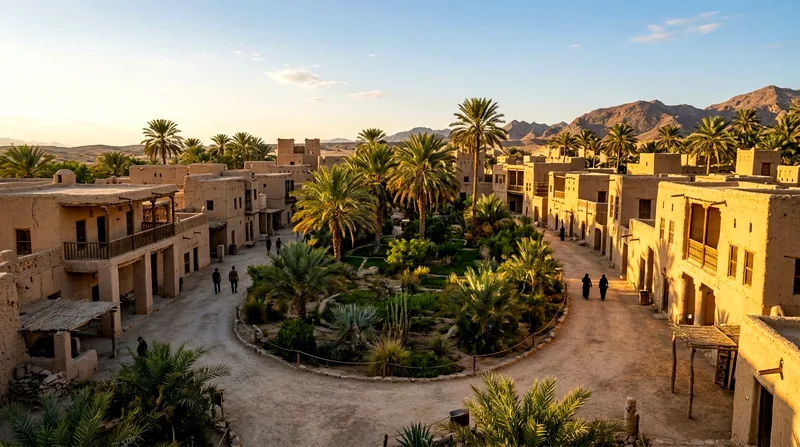
Al Ain sits about 140 kilometers southeast of Abu Dhabi, roughly a 90-minute drive on a well-maintained highway, and it's a different pace of place entirely from the capital's skyline and beach clubs. This is the UAE's inland heritage city — mud-brick forts, a working oasis still irrigated by a centuries-old falaj system, and archaeological sites that predate the modern Emirates by thousands of years. An Al Ain cultural tour from Abu Dhabi makes sense if you want to understand where the country came from, not just where it's going.
It won't suit everyone. If your Abu Dhabi trip is built around Yas Island theme parks, Saadiyat beaches, or Dubai nightlife, a full day diverted to forts and oasis walks might feel like a detour from the holiday you actually planned. Al Ain is hot, dry, and low-rise — there's no Burj Khalifa moment, no infinity pool. What you get instead is depth: layered history across the Sheikh Zayed Palace Museum, Al Jahili Fort, and Hili Archaeological Park, all UNESCO-recognized for good reason.
History and heritage enthusiasts
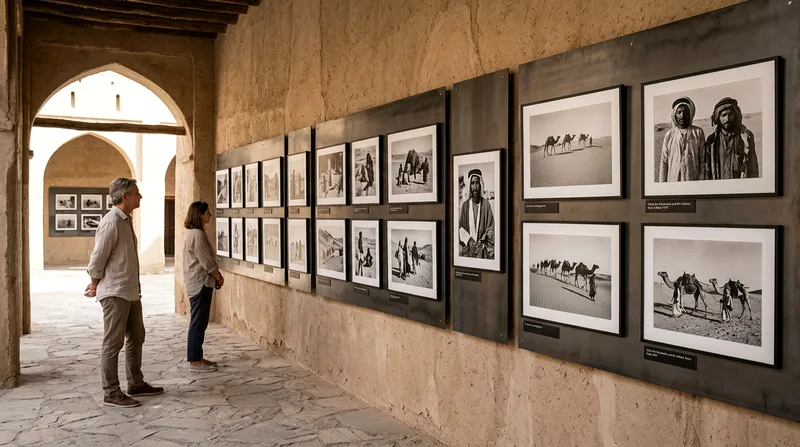
If you've already done the Louvre Abu Dhabi or Qasr Al Watan and want more substance, Al Ain delivers it properly. Al Jahili Fort alone has a documented history tied to Sheikh Zayed bin Khalifa and the Trucial Oman Scouts, with restored sections and a permanent photography exhibition on explorer Wilfred Thesiger. Compare that to Sharjah's heritage museums, which are excellent but urban and curated — Al Ain feels lived-in, with the oasis still farmed and the falaj channels still running water to date palms. History enthusiasts should budget at least five to six hours on-site, not the rushed two-hour stop some group itineraries allow.
First-time visitors to UAE culture
For a first UAE trip, Al Ain is arguably more useful than another day in Abu Dhabi or Dubai malls. It shows the pre-oil Emirates — mud architecture, oasis agriculture, Bedouin trade routes — in a way the capital's glass towers never will. First-timers often pair this with Muscat or Doha on a wider Gulf itinerary; Al Ain compares favorably because it's compact enough for a single day, whereas Oman's heritage forts are spread across a much larger country. A guided tour helps here, since the context (why the falaj system matters, what the palace museum's rooms represent) isn't always obvious without explanation.
Tour types: guided group vs private vs self-drive
There are three realistic ways to see Al Ain from Abu Dhabi, and each has a genuinely different trade-off between cost, flexibility, and depth. None is objectively "best" — it depends on how much control you want over pacing and whether you value a live guide's commentary over reading plaques yourself.
Guided group tours are the cheapest way to see Al Ain's UNESCO sites, but private tours and self-drive give far more control over pacing.
Al Ain cultural tour formats from Abu Dhabi compared
| Tour format | Typical duration | Group size | What's usually included | Best for |
|---|---|---|---|---|
| Guided group tour | 8-10 hours | 8-20 people | Transport, guide, fort and Oasis entry | Budget-conscious first-timers |
| Private/small-group tour | 6-10 hours, flexible | 1-6 people | Transport, dedicated guide, flexible stops | Couples, families, seniors |
| Self-drive day trip | Flexible, 1 day | N/A | Nothing — fuel and parking only | Confident independent travelers |
Durations and inclusions vary by operator and season; always confirm current pricing, inclusions, and cancellation terms before booking.
Guided group tours
Group day tours typically run 8 to 10 hours including hotel pickup, and they bundle Al Jahili Fort, the Oasis, and often a camel market or mountain viewpoint at Jebel Hafeet into one fixed itinerary. Group sizes vary widely — some operators run minibuses of 15 to 20 people, others cap at eight. The appeal is price: shared transport and guiding costs bring the per-person rate down noticeably compared to private tours. The downside is pacing — you move on the group's schedule, and if half the group wants to shop for souvenirs while you want another 20 minutes in the palace museum, you don't get a vote. Avoid any group tour that only allocates an hour or less to the Oasis; that's not enough time to walk the falaj channels properly.
Private and small-group tours
Private tours cost more — often close to double the per-person group rate if you're traveling solo, less of a premium if you're a family of four splitting one vehicle — but you control the itinerary entirely. Want 90 minutes at Hili Archaeological Park instead of the standard 30? A private guide will adjust. This format suits couples, senior travelers who need slower walking paces and more rest stops, and families with children who tire of standing around waiting for a group to regroup. Many private operators also offer air-conditioned vehicles with WiFi and bottled water included, which matters more than it sounds in Al Ain's dry heat, especially between April and October.
Self-drive alternatives
Driving yourself is entirely viable — the E22 and E30 highways from Abu Dhabi to Al Ain are modern, well-signed dual carriageways, and Al Ain's main sites are clustered close enough to navigate without local knowledge. A self-drive itinerary gives total flexibility and costs only fuel and parking, which is usually free or nominal at the fort and oasis. The catch: you lose the narrative. Nobody's explaining why the falaj system is UNESCO-listed or what's significant about a particular palace room. If you're comfortable researching sites beforehand (or downloading an audio guide where available), self-drive is the cheapest option and works well for independent-minded couples or confident solo travelers. Compare this to a self-drive day to Ras Al Khaimah or Fujairah — similar driving distances, but Al Ain's sites are more walkable once you arrive, with less need for 4x4 access.
Key sites and what each tour covers
Most itineraries — guided or self-planned — revolve around four anchor sites, though not every tour includes all of them. Knowing what's typically covered helps you spot a thin itinerary before you book.
Al Jahili Fort and palace museums
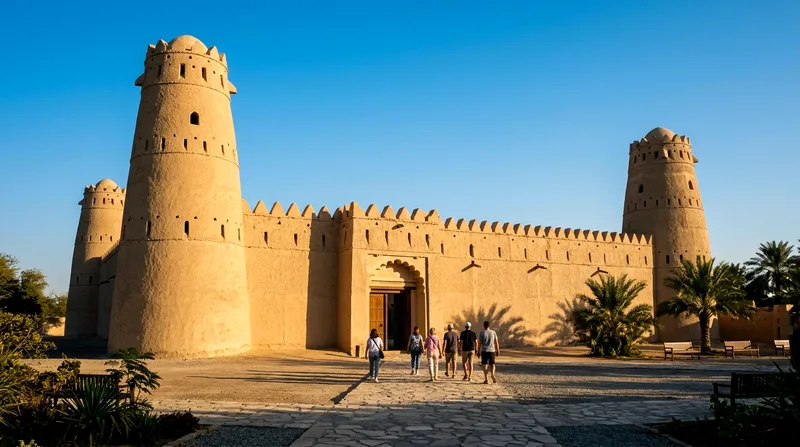
Al Jahili Fort, built in the 1890s, is usually the first stop on any Al Ain fort tour from Abu Dhabi, and it's free to enter with restored courtyards and the Thesiger photography exhibit. The Sheikh Zayed Palace Museum, a short drive away, was the Al Nahyan family's residence until the 1960s and now displays furnished rooms, family photographs, and personal artifacts — it gives a more intimate picture of Emirati royal life than the grander Qasr Al Watan in Abu Dhabi. Budget 45 minutes to an hour at each; rushing through in 20 minutes, which some group tours do, means you miss the exhibition rooms entirely.
UNESCO oasis and falaj irrigation system
Al Ain Oasis is free to enter and walkable via shaded paths lined with over 147,000 date palms, according to municipal figures, irrigated by the falaj system — a gravity-fed channel network recognized by UNESCO alongside four other Al Ain sites as part of the "Cultural Sites of Al Ain" World Heritage listing. This is the site most worth lingering in; 30 minutes isn't enough to appreciate how the channels work. Hili Archaeological Park, with Bronze Age tombs dating back roughly 5,000 years, is often skipped on shorter tours but is included on most full-day itineraries — if it's missing from a tour description, ask why.
What to look for when booking
Booking an Al Ain day trip heritage tour blind, based on price alone, is how you end up with a rushed itinerary that skips the Oasis walk or Hili park entirely. Read the stop list carefully, not just the headline duration.
Inclusions and what's optional
Check whether hotel pickup, lunch, and museum entry fees are included — Al Jahili Fort and the Oasis are free, but the Al Ain Zoo or Jebel Hafeet mountain drive, if added, sometimes cost extra and aren't always in the base price. Water and air conditioning in the vehicle should be standard; if a listing doesn't mention them, ask before paying. Lunch is often optional on group tours and genuinely optional to skip — Al Ain town has reasonable casual Emirati and South Asian restaurants near the souq if you'd rather choose your own.
Group size and cancellation policies
Smaller group caps (eight to ten people) generally mean better guide access and shorter waits at each site; large coach groups of 20-plus can mean 15 minutes just getting everyone on and off the bus at each stop. Check the cancellation policy too — many reputable group tours allow free cancellation up to 24 hours before departure, which matters given Al Ain's heat makes outdoor walking miserable if a sandstorm or extreme heat warning hits. Always compare current prices and recent reviews before booking, since availability and exact inclusions shift between operators and seasons.
Best time to visit and book your tour
The cooler months, November through March, are by far the best window for an Al Ain cultural tour — daytime temperatures sit comfortably in the low-to-mid 20s Celsius, making the Oasis walk and fort courtyards genuinely pleasant rather than something to endure. Between June and September, Al Ain regularly hits 40°C-plus by midday, and outdoor walking tours become a hazard rather than a highlight; if you must go in summer, book an early morning departure (7 or 8 AM pickup) so you're walking the Oasis before 10 AM.
Weekday tours tend to have smaller groups and shorter queues at the palace museum than weekend departures, when UAE and Gulf tourists travel in from Dubai, Sharjah, and even Doha for the day. Wear closed shoes — the Oasis paths are uneven in places — and modest clothing covering shoulders and knees, which is expected at the fort and palace museum regardless of gender. Book your tour or rental car at least a few days ahead in peak winter months (December and January), when Al Ain day trips get booked out alongside Abu Dhabi's own high-season demand.
Frequently asked questions
How far is Al Ain from Abu Dhabi and how long does it take to drive?
Al Ain is about 140 kilometers from Abu Dhabi, and the drive takes roughly 90 minutes via the E22 highway in normal traffic. Most guided tours allow around two hours each way once hotel pickups across Abu Dhabi are factored in, so a full-day tour typically runs 8 to 10 hours door to door.
What are the main UNESCO sites in Al Ain?
Al Ain's UNESCO listing, "Cultural Sites of Al Ain," covers five areas including Al Ain Oasis and its falaj irrigation channels, Hili Archaeological Park's Bronze Age tombs, and several other oasis and archaeological zones. Al Jahili Fort and the Sheikh Zayed Palace Museum aren't part of the UNESCO inscription itself but are usually visited alongside it as essential heritage stops.
Are Al Ain cultural tours better as group or private tours?
Group tours are cheaper and fine for a first overview, but private tours let you spend real time at the Oasis and Hili park instead of rushing through on a fixed schedule. If you care about depth over price, a private or small-group tour is worth the extra cost — families and senior travelers especially benefit from the flexible pacing.
What should I look for when booking an Al Ain tour?
Check the full stop list, not just the duration — confirm Al Ain Oasis, Al Jahili Fort, and ideally Hili Archaeological Park are all included, not just one or two. Verify whether lunch, entry fees, and water are included, check the group size, and look for a free cancellation window of at least 24 hours before your date.
Is it better to book a guided tour or self-drive to Al Ain?
Self-drive is cheaper and more flexible if you're comfortable navigating and researching the sites yourself beforehand — the highways are easy and well-signed. A guided tour is better if you want the history explained on-site, since the cultural context behind the falaj system and palace rooms isn't always obvious from plaques alone.