Abu Dhabi morning vs evening desert safari compared: temperature, activities, photography, crowds, and pricing — see which one fits your trip.
Morning vs Evening: Quick Comparison
The Abu Dhabi morning vs evening desert safari decision comes down to four things: temperature, what you'll actually do out there, the light for photos, and how many other vehicles you'll be sharing the dunes with. Neither slot is wrong — they're built for different travelers, and operators like Arabian Luxury Tours and Royal Journey Tourism run both, often from the same desert camps near Al Wathba or further out toward the Liwa-facing dunes.
A sunrise safari typically departs between 5:30am and 6:30am, lasts three to four hours, and gets you back to your hotel before the city's heat peaks. A sunset safari leaves mid-afternoon, around 3pm or 3:30pm, and runs five to six hours because it folds in dinner, entertainment, and the drive back after dark. That extra length is the biggest structural difference, and it's why evening tours cost more on most booking platforms.
Morning safaris are cooler, shorter, and cheaper, while evening safaris cost more but include sunset views, dinner, and entertainment.
Abu Dhabi morning vs evening desert safari: temperature, activities, and pricing compared
| Factor | Morning Safari | Evening Safari |
|---|---|---|
| Start time | 5:30–6:30am | 3:00–3:30pm |
| Duration | 3–4 hours | 5–6 hours |
| Temperature | Cooler, mild sun | Hot start, cools after sunset |
| Core activities | Dune bashing, camel ride, sandboarding | Dune bashing, camel ride, sandboarding, henna |
| Food included | Light breakfast or snacks | Full buffet dinner |
| Entertainment | None or minimal | Tanoura/belly dance show, shisha |
| Crowd levels | Lower | Higher |
| Typical price range | Lower (budget tier) | Higher (mid to premium tier) |
Typical figures based on standard desert safari packages; exact timing and price depend on the operator and season, so check current prices when booking.
What each time slot offers
Morning safaris are stripped-back and active: dune bashing while the sand is firm from overnight cooling, a short camel ride, sandboarding on slopes that haven't been baked soft by midday sun, then a light breakfast or box of pastries and juice before you're dropped back. There's rarely a cultural show or dinner attached.
Evening safaris are the full package — dune bashing at golden hour, camel rides at a Bedouin-style camp, henna painting, shisha, a buffet dinner, and usually a tanoura or belly dance performance under string lights. You're paying for a night out, not just an activity.
Key differences at a glance
If you read nothing else: mornings are cheaper, cooler, quieter, and shorter. Evenings are pricier, warmer at the start but cooling fast after sunset, busier, and built around food and entertainment rather than pure adrenaline. Compare that to Dubai's safari market, where evening tours dominate almost entirely — Abu Dhabi's morning option is comparatively easy to book even with short notice, partly because fewer tourists think to ask for it.
Temperature and Weather Conditions
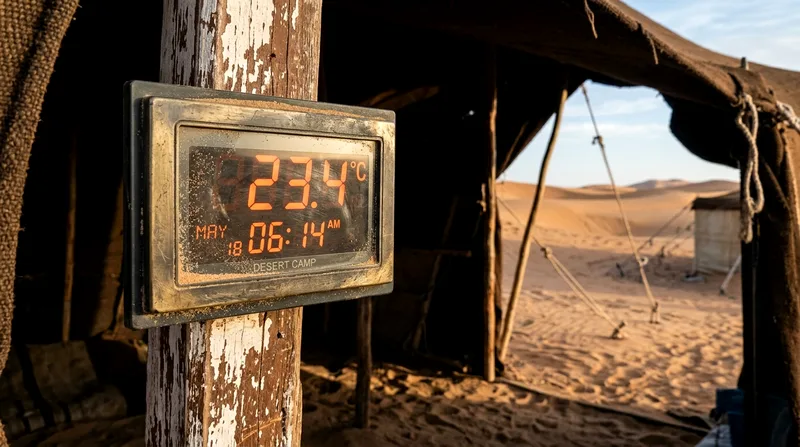
Temperature is the single biggest factor separating these two tours, and it's worth taking seriously — Abu Dhabi's desert isn't forgiving between June and September, when midday ground temperatures can exceed 45°C. The time slot you pick genuinely changes how enjoyable the trip is, not just how it looks in photos.
Morning heat and comfort levels
Overnight cooling means desert air at 6am is often 10–15°C lower than the afternoon peak, even in summer. Outside the hottest months (roughly May through September), a morning safari can feel genuinely pleasant — light jacket weather for the first hour. The sand itself is firmer and cooler underfoot, which matters if you're doing sandboarding barefoot or in sandals. The trade-off is the early wake-up; most hotel pickups start around 5am, which doesn't suit everyone, especially senior travellers or families with toddlers who don't do well with disrupted sleep schedules.
Evening cooling and comfort
The afternoon departure means you're out in the heat of the day for the first hour or so of dune bashing, which can be uncomfortable in July or August even with air conditioning in the vehicle. Once the sun drops, though, temperatures fall quickly — often 8–10°C within an hour of sunset — and the evening at camp is noticeably more comfortable than the drive out. Bring a light layer for after dark; desert nights cool faster than city nights because there's no concrete or asphalt holding heat.
Activities and Experiences by Time
Both tours use the same core toolkit — dune bashing, camel rides, sandboarding — but how those activities feel changes with the light and heat, and the evening tour adds a full layer of camp-based entertainment the morning version skips entirely.
Morning safari activities
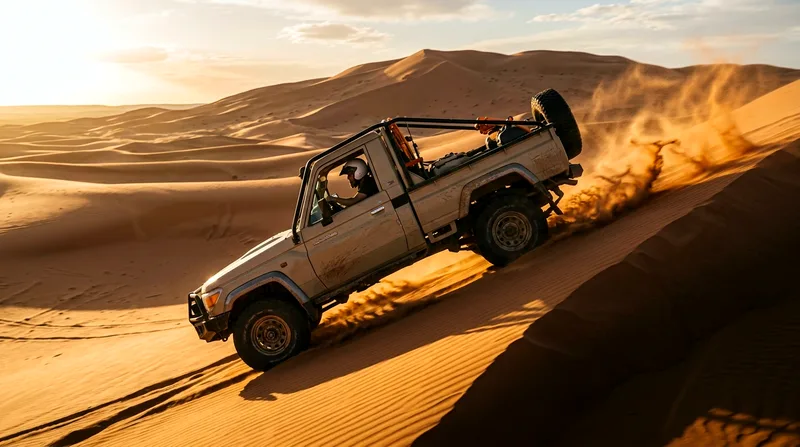
Expect a tighter, activity-focused itinerary: 45–60 minutes of dune bashing in a 4x4 while the sand holds its shape well (overnight moisture firms it up, making for sharper, more controlled runs), followed by 15–20 minutes on a camel, then sandboarding on one or two dunes. Some operators add a falconry photo stop. Breakfast, if included, is usually simple — dates, Arabic coffee, pastries, maybe eggs at a camp table. This is the better pick if you want the adrenaline part of a safari without the dinner-and-show production around it.
Evening safari activities and entertainment
The dune bashing and camel ride are similar in length, but everything after that expands. Camps typically offer henna application, shisha lounges, a buffet dinner with grilled meats and Levantine mezze, and a live show — usually a tanoura spinning dance or belly dancing, sometimes both. Kids tend to enjoy this format more because there's variety and downtime built in, rather than back-to-back physical activity. The trade-off is pacing: you'll spend more time sitting and waiting between segments than actively doing things.
Photography and Lighting Opportunities
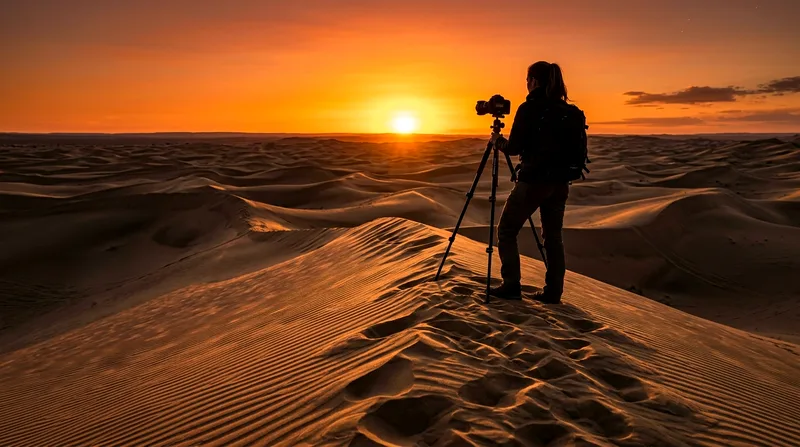
If photography is a priority, this is where the two tours genuinely diverge, and it's probably the deciding factor for most couples and solo travelers choosing between them.
Golden hour and sunset shots
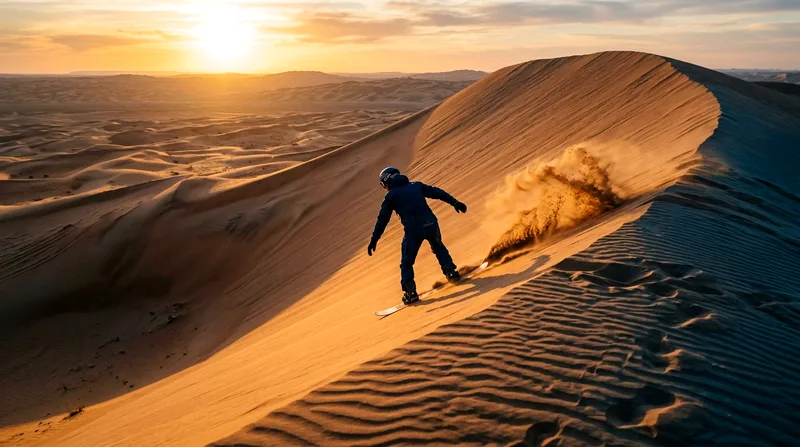
Evening safaris are built around the sunset, and it shows. You'll typically hit peak dune-bashing or a scenic stop right as the sun drops toward the horizon, giving you 20–30 minutes of genuinely strong light — warm tones, long shadows across the ridges, silhouettes of camels or vehicles against the sky. This is the shot most people picture when they imagine a desert safari, and it's the reason sunset safari Abu Dhabi tours consistently rank higher on TripAdvisor and GetYourGuide review photos than morning ones. After dark, camp lighting is decent for portraits but not for landscape shots.
Morning light and dune visibility
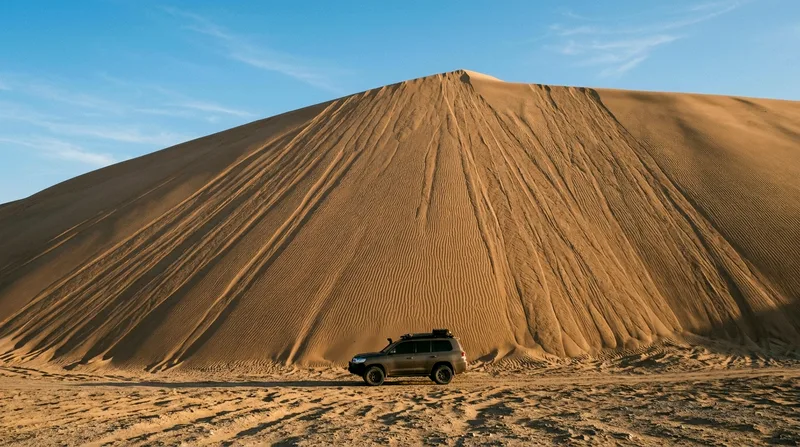
Morning light is softer and less dramatic but has one real advantage: visibility. Dust and haze build up through the day, so dawn and early morning often give the clearest, sharpest views of the dune ridges and horizon — useful if you want crisp landscape shots rather than moody silhouettes. Sunrise itself offers a shorter, cooler-toned window of good light, roughly 15–20 minutes, and far fewer other tour vehicles cluttering your frame. If you've ever tried to get a clean sunset shot in Dubai's Al Marmoom with a dozen other jeeps in view, you'll appreciate how much emptier Abu Dhabi's morning dunes feel by comparison.
Pricing, Duration, and Crowds
Price and crowd levels track closely with what's included, so it helps to think of this less as "which is cheaper" and more as "which inclusions do I actually want."
Cost comparison and inclusions
Morning desert safari Abu Dhabi packages generally sit in the budget tier because they skip dinner and entertainment — you're mainly paying for the vehicle, driver, and activities. Evening safaris cost more because the price absorbs a full buffet, camp staff, performers, and sometimes shisha and henna as add-ons rather than extras. Private vehicle options push prices higher on both ends compared to shared group safaris, which is worth asking about upfront since listings don't always make it obvious. Always compare current prices when booking, since operators like Arabian Luxury Tours and Royal Journey Tourism adjust packages seasonally and bundle different extras.
Tour length and tourist density
Morning tours run three to four hours and typically carry fewer groups per camp, since most tourists default to booking the sunset slot without really weighing the alternative. That makes mornings genuinely quieter — less waiting for your turn on the sandboard, fewer vehicles queuing for the same dune-bashing stretch. Evening tours run five to six hours and pull bigger numbers, especially on weekends (Thursday and Friday nights), when camps can feel closer to a group event than an intimate desert outing. If solitude matters to you, that's a real trade-off worth weighing against the sunset views.
Which Option Is Right for You
There's no universally "best" slot — only the one that matches what you're optimizing for. Treat this like any other Abu Dhabi booking decision: the same way you'd weigh a Louvre Abu Dhabi morning visit against an evening one for crowd levels, or compare a Yas Island day pass against an evening entertainment package, the safari choice depends on your tolerance for heat, your interest in food and performance, and how much you care about getting the postcard sunset shot.
Best for families and comfort seekers
Families with young kids and senior travellers generally do better with the evening safari despite the later finish, mainly because of the dinner and entertainment — it gives restless children something to watch and keeps the pace relaxed rather than activity-packed. That said, if your family struggles with late nights or sensory overload from loud music and crowds, the morning option's shorter, quieter format avoids that problem entirely. Either way, tell the operator about young children when booking; dune bashing intensity (gentle vs aggressive) is usually adjustable on request.
Best for photographers and sunset lovers
Photographers, couples, and anyone chasing that classic silhouette-against-the-sky shot should book evening, no real debate there — the light alone justifies the higher price and later finish. But if you're after sharp, haze-free landscape shots or you simply can't stand crowds in your frame, don't dismiss the sunrise safari Abu Dhabi option; it's the quieter, technically cleaner choice that most visitors overlook in favor of the more marketed sunset version.
Frequently asked questions
What is the temperature difference between morning and evening desert safaris?
Mornings start 10–15°C cooler than midday due to overnight cooling, while evening safaris begin in afternoon heat but drop 8–10°C within an hour after sunset. Outside summer (June–September), both are comfortable; during summer, mornings are noticeably easier to handle for the first hour or two.
Which time slot offers better photography opportunities?
Evening wins for dramatic, warm-toned sunset and silhouette shots during the 20–30 minute golden hour window. Morning wins for clearer, haze-free landscape visibility and quieter dunes without other tour vehicles in the frame.
How much does a morning desert safari cost compared to evening?
Morning safaris sit at the lower end of the pricing scale since they exclude dinner and entertainment, while evening safaris cost more because the price covers a buffet, camp staff, and a live show. Always check current prices when booking, as inclusions vary by operator.
Are there fewer crowds in morning or evening safaris?
Morning safaris are consistently quieter — fewer tourists book the early slot, so camps and dune-bashing routes see less traffic. Evening safaris, especially on Thursday and Friday nights, draw the largest groups.
Which time slot is better for families with young children?
Evening safaris generally suit families better thanks to the dinner, henna, and entertainment that keep kids occupied over a longer visit. Families wanting a shorter, quieter outing without a late finish should consider the morning option instead.