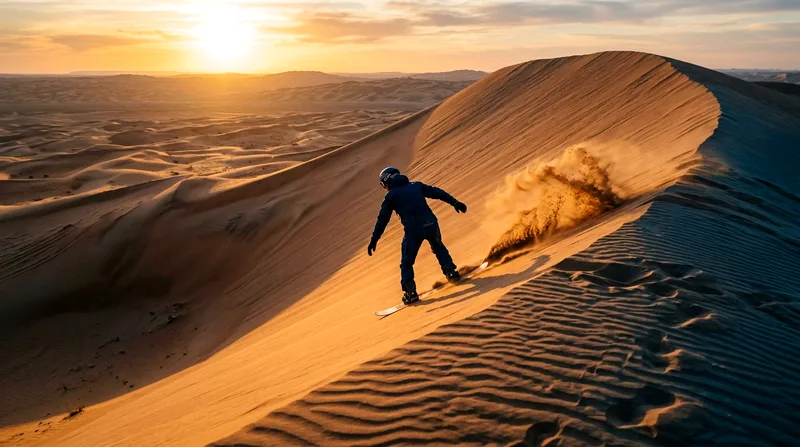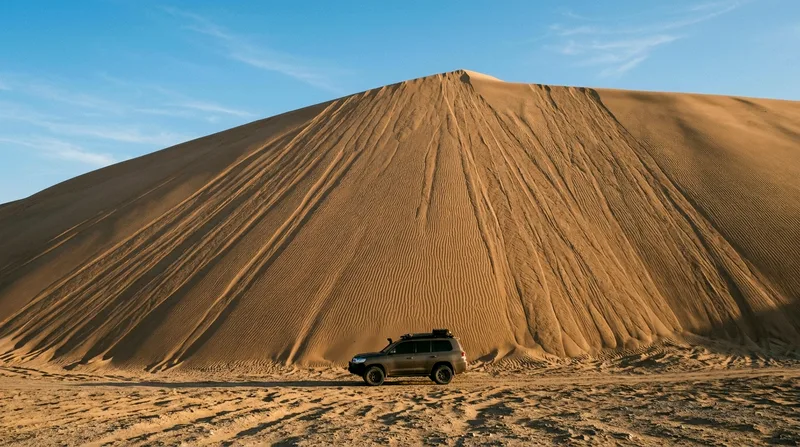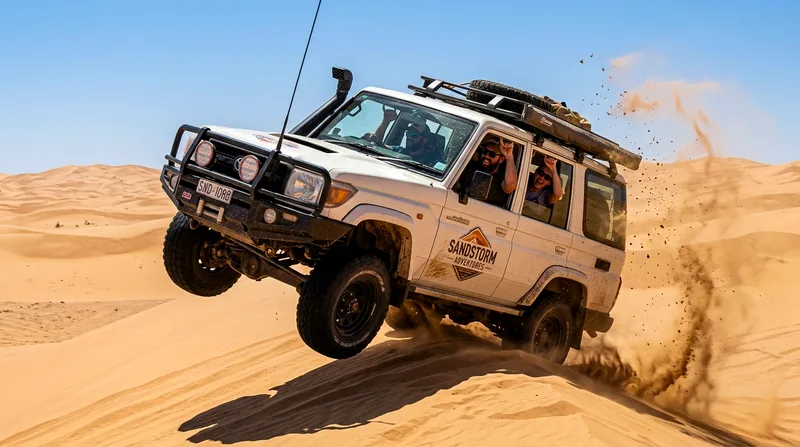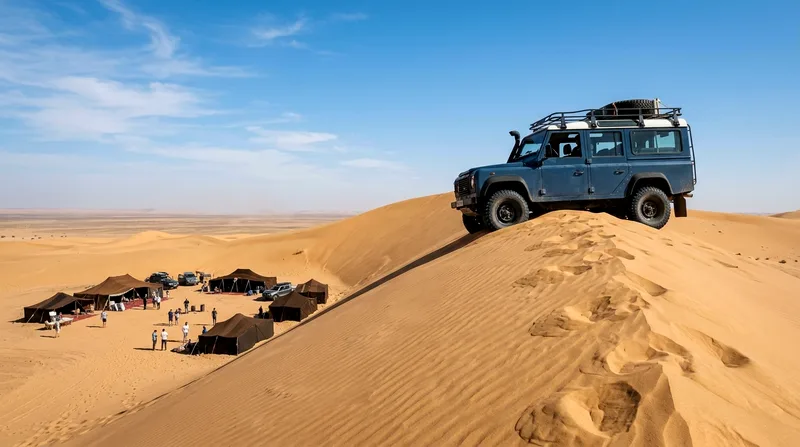
Real Abu Dhabi desert safari price ranges, hidden fees, and proven ways to save on tours without cutting corners on safety or experience.
Abu Dhabi Desert Safari Price: What You're Actually Paying For
Desert safaris in Abu Dhabi range from roughly 100 AED (about €25) for a basic shared dune-bashing trip to 1,500 AED (around €375) or more per person for an overnight stay near Liwa Oasis with a private guide and a camp verging on resort standard. That's a wide spread for what sounds like the same product, and the gap is almost never random. It comes down to vehicle sharing, guide qualifications, permit access, and what's bundled into the "desert safari package" versus what gets added at checkout.
Most visitors land somewhere in the middle: a half-day or evening group tour at 150–250 AED (roughly €37–€62) including dune bashing, a barbecue dinner, and some combination of camel photos, sandboarding, and a show. That's reasonable value if the operator is transparent about what's included. The problem is that a meaningful share of listings advertise a headline price and then charge separately for sandboarding boards, camera permits, or the only vegetarian meal option on the menu. Understanding the cost structure before you book is the single best way to avoid paying twice for the same trip.
Where Your Money Goes
A desert safari price isn't just a number pulled from thin air — it reflects fuel, vehicle wear, insurance, permits, staffing, and the land access fees operators pay to run tours legally near conservation areas like the Emirates Desert Conservation Centre. Operators running trips close to protected zones near Al Ain or toward the Rub' al Khali (the "Empty Quarter") often pay more for access and compliance, and that shows up in the final price.
The split roughly breaks down as: 30-40% vehicle and fuel, 20-25% guide and staff wages, 15-20% food and camp setup, and the rest split between permits, insurance, and the operator's margin. A tour priced suspiciously low usually cuts corners somewhere in that list — often insurance or guide experience, which is exactly where you don't want corners cut.
Group evening safaris remain the best value, while overnight Liwa-style trips cost several times more for a genuinely different experience.
Abu Dhabi desert safari price by tour type and what's typically included
| Tour Type | Typical Price (AED, per person) | Duration | Best For |
|---|---|---|---|
| Shared morning dune bashing | 100-150 | 2-3 hours | Budget travelers, quick add-on |
| Shared evening safari with BBQ | 150-250 | 5-6 hours | Families, first-timers |
| Private evening safari | 400-700 | 5-6 hours | Couples, small groups wanting space |
| Overnight desert camp | 500-900 | 18-20 hours | Photographers, sunrise seekers |
| Luxury overnight near Liwa Oasis / Al Maha-style resort stay | 1,200-2,500+ | 24+ hours | Luxury travelers, honeymooners |
Typical published ranges; actual prices vary by operator, group size, and season, so check current prices when booking.
Vehicle and Fuel Costs
A Toyota Land Cruiser or Nissan Patrol set up for dune bashing isn't cheap to maintain — tires alone need frequent replacement from sand abrasion, and fuel consumption on soft dunes is noticeably higher than highway driving. Shared tours split this cost across 6 people typically (sometimes up to 8 in budget operations), which is why group rates sit so much lower than private ones. A private vehicle for 2-4 people means you're covering the full fuel and wear cost yourself, which is the main reason private safaris often run 2-3x the per-person group rate.
Guide Expertise and Permits
Experienced desert drivers who've trained for dune bashing specifically — not just general UAE driving — command higher wages, and that's reflected in premium packages. Permits to operate near conservation land, such as areas managed in coordination with the Emirates Desert Conservation Centre, add a fixed cost per trip regardless of group size, which is partly why smaller or newer operators sometimes skip legitimate routes in favor of cheaper, less regulated stretches of desert. Ask which conservation or government area the tour operates in — a vague answer is a flag worth noting.
Legitimate Ways to Save
Forget discount codes and flash sales — the durable savings strategies for an Abu Dhabi desert safari price are timing, grouping, and package selection. None of these require luck; they just require booking with a plan instead of grabbing the first link that shows up.
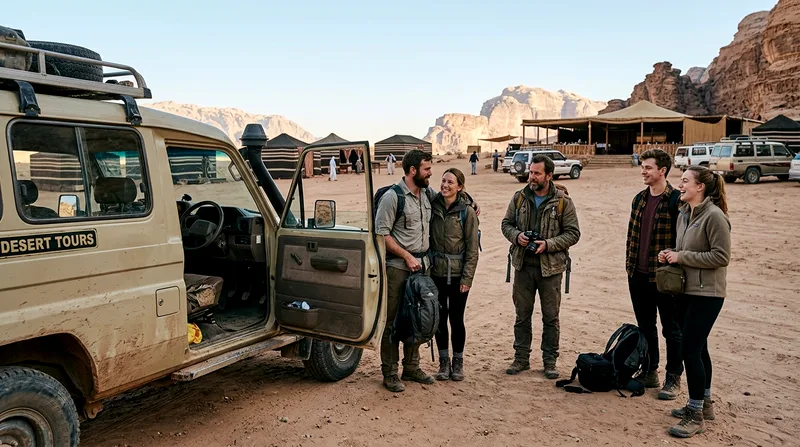
The biggest lever most travelers ignore is group size flexibility. If you're a solo traveler or couple willing to join a shared vehicle instead of insisting on private, you'll typically save 40-60% per person. The second lever is bundling: some operators discount combined bookings, like a desert safari plus a Yas Island attraction pass or an Abu Dhabi city tour, because they'd rather sell you two things at a thin margin than one thing at full price and lose the second sale to a competitor.
Early Booking Discounts
Booking 2-3 weeks ahead, rather than the day before, generally gets you access to better-value packages because operators fill their cheaper shared-vehicle slots first and raise prices as capacity tightens closer to the date. This is especially true around UAE public holidays and the Eid periods, when demand spikes and last-minute prices can jump 20-30% compared to booking a month out. If your travel dates are fixed, lock in the safari early rather than treating it as a "decide when we're there" activity.
Off-Season Travel Advantages
Traveling between May and September — the UAE's hot season, with daytime temperatures regularly above 40°C — puts you in a genuine buyer's market. Tour operators run fewer vehicles and discount more aggressively to fill them, especially for evening and overnight safaris when the heat has eased. The trade-off is real: midday activities are limited, and some sandboarding or camel-riding add-ons may be scaled back. If you can handle evening departures and skip the midday dune excursions, this is where the real Abu Dhabi desert safari price savings happen.
What Not to Skimp On
Cutting the wrong corner on a desert safari isn't like getting a mediocre hotel breakfast — dune bashing at speed on soft sand carries real risk, and the UAE desert has claimed lives from rollovers and heatstroke in past incidents. Price-shopping down to the absolute floor is one place where being a frugal traveler can bite you.
Safety and Insurance
Ask directly whether the tour includes third-party liability insurance and whether vehicles carry working seatbelts and roll bars — reputable operators will answer this without hesitation. A tour priced 30% below everyone else in the same category is worth a direct question: what's missing? Sometimes it's just a smaller camp; sometimes it's insurance coverage you'll wish you'd checked after the fact. This is the one category where I'd rather pay the Abu Dhabi Tourism Board-registered operator's price than save 50 AED with an unlicensed one advertising on social media.
Experienced Guides
A guide who's driven the same dune system for years reads the sand conditions and knows which slopes are stable after recent wind — a newer driver doesn't have that instinct yet. This matters more than people assume; it's the difference between a thrilling dune-bashing run and an uncomfortable, occasionally dangerous one. If a listing emphasizes "luxury camp" and "gourmet dinner" but says almost nothing about driver experience, that's an imbalance worth noticing before you book.
Desert Safari Booking Checklist
Before paying for any desert safari package, run through a short checklist rather than relying on star ratings alone, since reviews can be thin or manipulated for newer operators.
Verify Inclusions Upfront
Confirm explicitly whether the price includes hotel pickup and drop-off, dinner (and whether it's buffet or set menu), sandboarding equipment, camel ride, and the entertainment show (tanoura dance, fire show). Some packages advertise "camel ride" but mean a 2-minute photo stop, not an actual ride across dunes — ask the duration. Compare at least three listings side by side for the same inclusions rather than comparing headline prices alone, because a 180 AED package with dinner included beats a 150 AED one that charges 40 AED extra for food.
Check Cancellation Policies
Desert safaris get canceled or rescheduled more often than city tours, usually due to sandstorms or extreme heat advisories. Look for free cancellation up to 24 hours before departure — this is standard with most reputable platforms and costs you nothing to request. Avoid any listing that requires full non-refundable prepayment with no weather contingency; that's a red flag regardless of how good the price looks, especially if you're traveling during shoulder season when sudden weather shifts are more common.
Seasonal Pricing and Timing
Seasonal pricing swings are the single biggest factor in your final Abu Dhabi desert safari price, more significant than which operator you choose. November through March is peak season — mild temperatures around 20-28°C draw European travelers escaping winter, Gulf residents on weekend breaks, and tour buses full of cruise passengers from ships docking nearby. Expect to pay full rate, and expect popular evening slots to sell out days in advance.
Compare that to Dubai, where desert safari pricing follows nearly identical seasonal logic but with more operators competing in a saturated market, often pushing prices slightly lower than Abu Dhabi for comparable group tours. If budget is the priority and you're flexible on which emirate you base yourself in, it's worth pricing both. Ras Al Khaimah, meanwhile, markets its desert tours around the Jebel Jais mountain backdrop rather than pure dune bashing, which is a genuinely different experience, not just a cheaper version of the same thing.
Peak vs. Shoulder Seasons
October and April act as shoulder months — temperatures are warmer but manageable (around 30-34°C), and prices typically sit 10-15% below peak winter rates. This is often the sweet spot: comfortable enough for a sunset safari, cheap enough to notice the saving, and far less crowded than December or February, when the camps can feel more like a tour bus rally than a desert evening.
Weather Impact on Rates
Sandstorms and extreme heat warnings — common in July and August — can force last-minute cancellations, and some operators respond by discounting remaining slots to recover lost bookings. This isn't guaranteed, and it's not something to plan an entire trip around, but if you're already in Abu Dhabi during summer and flexible on dates, checking prices a day or two out can occasionally turn up a lower rate than what was listed a week earlier.
Frequently asked questions
What is the typical price range for a desert safari in Abu Dhabi?
Shared group safaris typically run 100-250 AED (about €25-€62) per person for 2-6 hours, including transport and usually dinner. Private tours start around 400 AED and climb past 1,500 AED for overnight luxury camps near Liwa Oasis. The wide range reflects vehicle sharing, guide quality, and whether meals and activities are bundled or charged separately.
How far in advance should I book to get the best price?
Aim for 2-3 weeks ahead for the best mix of price and availability. Booking the same day often means paying for whatever's left — usually the pricier private slots — since budget shared-vehicle spots fill first. During UAE public holidays, book a month out if possible, as prices can rise 20-30% closer to the date.
Are group tours cheaper than private safaris?
Yes, significantly — group tours split vehicle and guide costs across 6 or more people, cutting the per-person price by roughly 40-60% compared to a private vehicle for 2-4 people. The trade-off is less flexibility on timing and a shared dinner setting rather than a private one.
What costs are usually hidden in desert safari packages?
Common extras include sandboarding equipment rental, camera/drone permits, quad bike add-ons, and sometimes the main meal if it's listed as "optional." Always ask whether hotel pickup, dinner, and the entertainment show are included in the headline price before comparing two listings.
Is it worth paying more for premium desert safari experiences?
It depends on what you value. Paying extra for a licensed operator with verified insurance and an experienced guide is worth it every time — that's a safety issue, not a luxury one. Paying extra purely for a fancier camp or private vehicle is worth it mainly for couples or families wanting space and flexibility, not for solo budget travelers who are fine sharing a vehicle.