Compare Liwa desert tours from Abu Dhabi. Find luxury and adventure options, tour durations, what's included, and how to book your Empty Quarter trip.
Who Liwa Desert Tours Suit Best
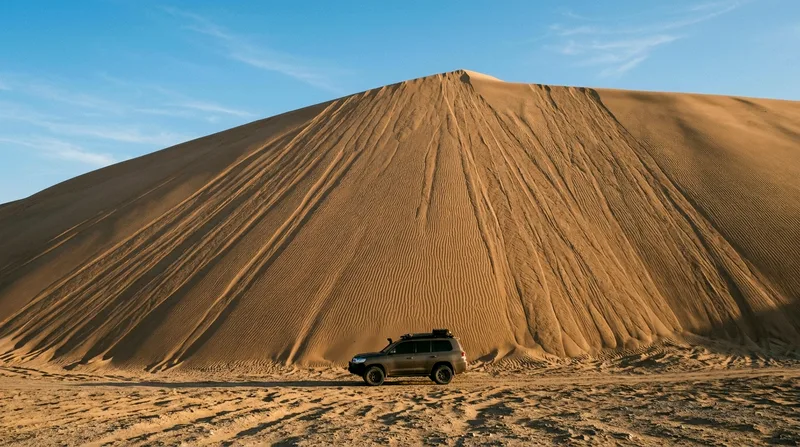
A Liwa desert tour from Abu Dhabi isn't the same product as the dune-bashing trips sold near the city, and it shouldn't be marketed that way. Liwa Oasis sits roughly 200 to 250 kilometers southwest of Abu Dhabi, depending on your route and which part of the oasis belt you're heading to, and the drive alone takes two and a half to three hours each way. That distance is the entire point. You're trading convenience for scale — this is the edge of the Rub al Khali, the Empty Quarter, one of the largest contiguous sand deserts on Earth, with dunes that reach over 100 meters in places, among the tallest in the UAE.
This suits travelers who've already seen a standard desert safari and want something with more weight to it. If you did a two-hour dune-bashing trip from Dubai or a sunset BBQ safari from Abu Dhabi's outskirts and left feeling like it was a bit staged, Liwa corrects that. It also suits anyone who wants to see the oasis settlement itself — palm groves, old forts, and small Bedouin villages tucked against the dune line, a contrast you don't get from the desert near Al Ain or Sharjah's inland tracks.
It's a poor fit for anyone short on time. If you've got a single free afternoon in Abu Dhabi, don't try to squeeze Liwa in — book a closer desert experience instead and save Liwa for a trip where you can dedicate a full day or an overnight stay.
Adventure seekers and photographers
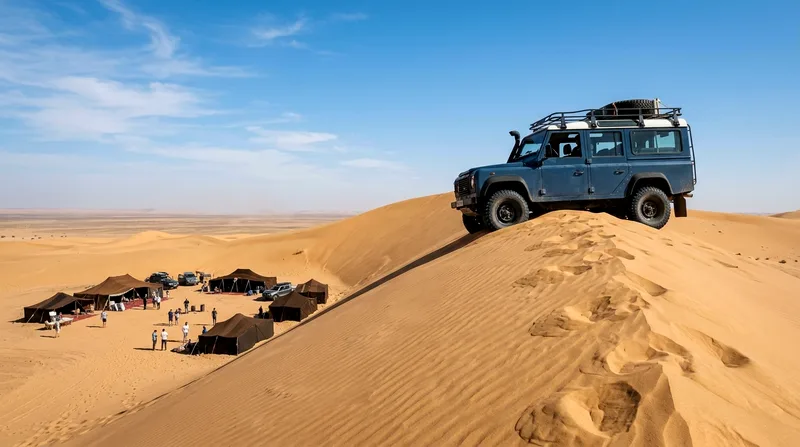
Photographers rate Liwa above almost anywhere else in the UAE for dune photography, and for good reason — the scale and isolation produce cleaner compositions than the busier dune fields closer to Dubai, where tire tracks and other vehicles tend to clutter every frame. Sunrise and late-afternoon light on the Empty Quarter's ridgelines is dramatic enough that some tours are built specifically around those windows, with pickup times as early as 4:30am to reach the dunes before sunrise. Adventure seekers get genuine dune-bashing terrain here too — steeper, taller, and less predictable than the groomed tracks near the city, which is a selling point if you want a real 4x4 challenge and a letdown if you get carsick easily.
Luxury travelers and families
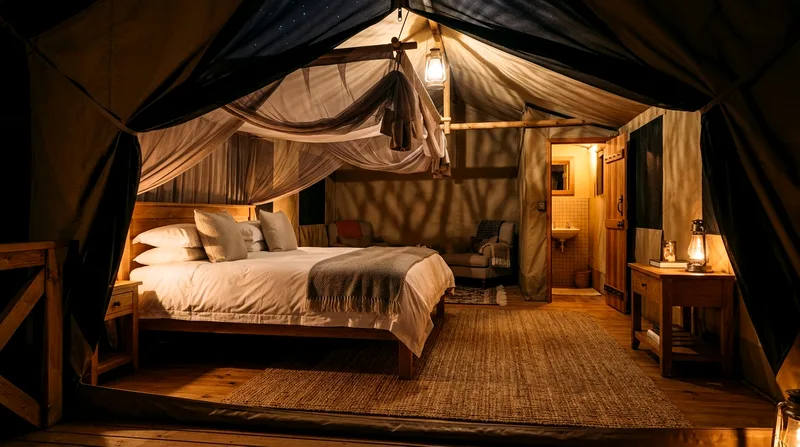
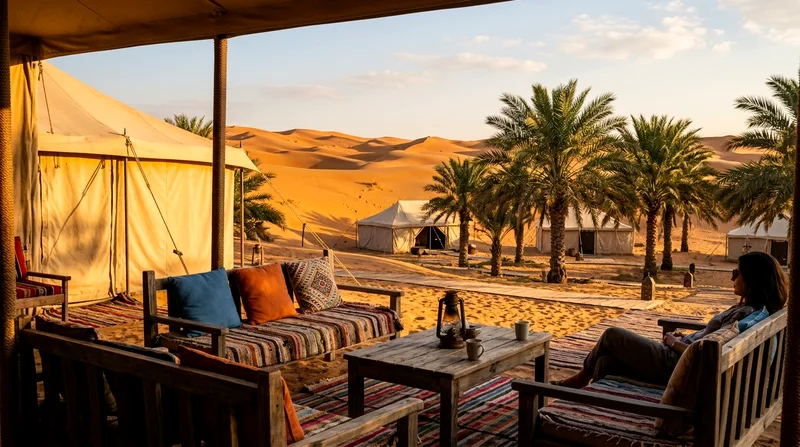
Families with children and couples looking for comfort are better served by the overnight camp format than the adrenaline-focused day trips. Liwa's luxury camps tend to be smaller and quieter than the big commercial camps outside Dubai, often with air-conditioned tents, private bathrooms, and a slower pace — falconry displays, camel rides, and stargazing rather than dune-bashing as the main event. Senior travelers generally do better here too, since the overnight stays avoid the long same-day round-trip drive. The trade-off is cost: a night in a well-run luxury camp in Liwa typically costs more than an equivalent night near Abu Dhabi's closer desert resorts, simply because of the logistics of running a camp this far out.
Tour Types: Luxury vs. Adventure
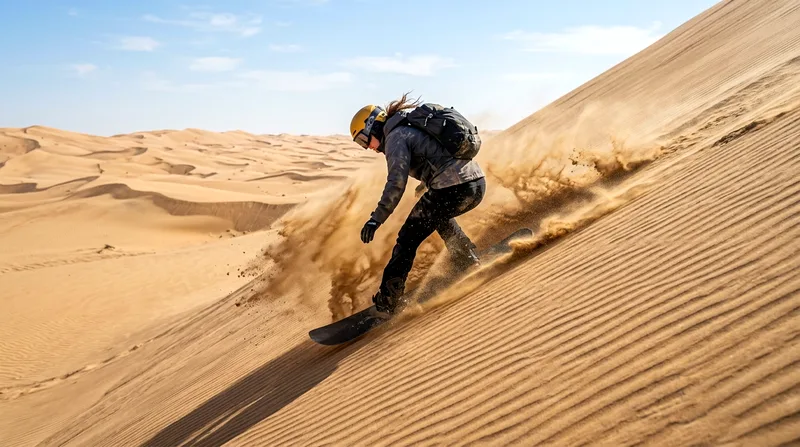
Liwa desert tours split fairly cleanly into two camps — literally and figuratively. One is built around comfort and immersion, the other around speed and thrill. Neither is objectively better; it depends on what you actually want from the Empty Quarter.
Adventure-style tours focus on dune-bashing, sandboarding, and sometimes dune buggy or quad bike add-ons, usually as a day trip with a few hours on the sand before heading back to Abu Dhabi the same evening. Luxury tours slow everything down, centering on an overnight or multi-night stay at a fixed desert camp with scheduled meals, guided walks, and often a cultural program — Arabic coffee, henna, a look at traditional Bedouin tent setups. I'd steer clear of any tour promising both extremes in a single rushed day; a few hours of bashing followed by an immediate drive home does neither experience justice and leaves you exhausted for the following day in the city.
Adventure day trips suit short visits and tight budgets, while overnight luxury camps suit travelers prioritizing comfort and the full Empty Quarter atmosphere.
Liwa desert tour from Abu Dhabi: types compared by duration, group size and inclusions
| Tour Type | Typical Duration | Group Size | Typical Inclusions | Price Indicator |
|---|---|---|---|---|
| Adventure day trip (group) | 10-12 hours | 6-8 per vehicle | Transport, guide, dune-bashing | $$ |
| Adventure day trip (private) | 10-12 hours | 1-4 per vehicle | Transport, guide, flexible stops | $$$ |
| Luxury overnight camp | 1-2 nights | Varies by camp | Transport, meals, camp activities | $$$$ |
| Budget overnight camp | 1 night | Shared group | Transport, basic meals, tent | $$ |
| Photography-focused sunrise tour | 5-7 hours | Small groups | Transport, guide, early pickup | $$$ |
Price indicators are relative, not fixed figures — check current prices and inclusions when booking, since camp standards and seasons affect cost significantly.
All-inclusive luxury camps
All-inclusive camps near Liwa Oasis typically bundle transport from Abu Dhabi, a dune-bashing transfer to the camp, dinner, breakfast, and camp activities into one package, with overnight stays commonly running one or two nights. Expect a higher price bracket than standard desert camps elsewhere in the UAE — this is a premium product, closer in spirit to the high-end camps you'd find paired with Oman's Wahiba Sands trips than to a budget overnight near Dubai. The upside is genuine quiet and dark skies; the downside is that some camps limit activities after dark for safety reasons, so don't expect a late-night party scene.
Group and private safari options
Group safaris are cheaper per person and run on a fixed schedule, usually with six to eight guests per 4x4, which keeps costs down but means less flexibility on stops and pacing. Private tours cost more but let you set your own timing — useful if you want extended time at a specific viewpoint over the oasis or need a slower pace for older travelers or young children. For solo travelers on a budget, a group tour is the sensible choice; for couples wanting a tailored day, paying extra for private transport is usually worth it.
What to Compare When Booking
Don't book the first Liwa tour that appears in a search. The category — luxury camp versus adventure day trip — matters most, but within each category there's real variation in what's included and how flexible the booking is.
Inclusions and meal options
Check exactly what's included before comparing prices across listings. Some day trips include only transport and a guide, with lunch and any activities like sandboarding or quad biking charged separately. Overnight packages usually include dinner and breakfast, but drinks, extra activities, and sometimes even camp transfers from the parking area can be add-ons. Vegetarian and halal meal options are typically available on request but should be flagged when booking, not assumed. If a listing's inclusions are vague, that's usually a sign the tour operator pads the headline price by charging for extras later.
Group size and cancellation policy
Group size affects both comfort and pace — a tour capped at four to six people per vehicle will feel noticeably different from one cramming in eight or more. Cancellation policies vary widely: some allow free cancellation up to 24 or 48 hours before departure, others are non-refundable once booked, particularly for overnight camp packages during peak season. Given that desert tours can be affected by weather — sandstorms do happen, and some operators reschedule rather than refund — a flexible cancellation policy is worth paying a little more for, especially if you're booking weeks ahead.
Best Time to Book Your Tour
The best time to visit Liwa, climate-wise, runs from November through March, when daytime temperatures sit in the comfortable low-to-mid 20s Celsius and overnight desert temperatures drop enough to make camping genuinely pleasant — sometimes close to freezing in January, so pack layers even in a "desert." Visiting between June and September means daytime highs well past 40°C, which makes anything beyond a short, air-conditioned-vehicle dune drive close to unbearable, and several camps scale back or close overnight programs during the hottest stretch.
Seasonal demand and availability
Peak season — roughly November through February — brings the heaviest demand, partly because it overlaps with European winter holidays and with Abu Dhabi's broader high season for events and visitors. Book overnight luxury camps at least three to four weeks ahead during this window; popular weekends around public holidays can sell out further in advance. Shoulder months like March, April, and October offer a reasonable compromise: warm but tolerable days, lower demand, and more flexibility on dates. Compare that to Dubai's desert camps, which run at capacity almost year-round due to sheer visitor volume — Liwa's relative remoteness means slightly more breathing room, but not unlimited availability.
Tour Duration and Itinerary Options
Duration is the single biggest factor separating a satisfying Liwa trip from a disappointing one. Given the three-hour drive each way, a tour needs to budget enough time on the ground to justify the journey.
Day trips vs. overnight stays
A day trip from Abu Dhabi to Liwa typically runs 10 to 12 hours door-to-door, which sounds long but leaves only three to four hours of actual desert time once you subtract driving and stops. That's enough for dune-bashing, a viewpoint stop over Liwa Oasis, and maybe a quick look at Moreeb Dune — one of the tallest in the region and the site of an annual dune-bashing festival — but not much else. Overnight stays solve this by splitting the drive across two days: arrive in the afternoon, enjoy sunset and a camp dinner, sleep under genuinely dark skies, then do a sunrise dune drive before heading back. If you can only spare one day, go; if you can spare two, the overnight option is clearly the better experience and not just a marginal upgrade.
Frequently asked questions
How far is Liwa from Abu Dhabi?
Liwa Oasis is roughly 200 to 250 kilometers southwest of Abu Dhabi city, and the drive takes about two and a half to three hours each way depending on traffic and exactly where in the oasis belt you're headed. That round-trip driving time is the main reason most tours either run as a full 10-to-12-hour day or include an overnight stay.
What's included in a Liwa desert tour?
Most tours include round-trip transport from Abu Dhabi and a guide; day trips often add dune-bashing, while overnight packages typically include dinner, breakfast, and camp-based activities like camel rides or falconry displays. Extras such as sandboarding, quad biking, and drinks are frequently charged separately, so check the listing's inclusions line by line before comparing prices.
Can you do a day trip to Liwa?
Yes, but expect a long day — around 10 to 12 hours round-trip with only three to four hours of actual time in the desert once travel is accounted for. It works if you're short on time, but an overnight stay gives a noticeably better experience for only slightly more cost.
What's the difference between luxury and adventure tours?
Adventure tours prioritize dune-bashing, sandboarding, and quick-paced activity, usually as day trips; luxury tours center on an overnight camp stay with comfortable tents, included meals, and a slower cultural program. Luxury tours cost more per person but suit families, couples, and senior travelers better than a rushed adventure day trip.
When should you book a Liwa tour?
Book three to four weeks ahead if traveling during peak season, roughly November through February, especially for overnight luxury camps. Shoulder months like March, April, and October have lower demand and more flexible availability, while June through September is too hot for most overnight or extended outdoor itineraries.