Explore Abu Dhabi's perfume souk: traditional oud shopping, guided tours, authentic fragrances & insider tips for European visitors. Plan your visit.
What Is the Abu Dhabi Perfume Souk?
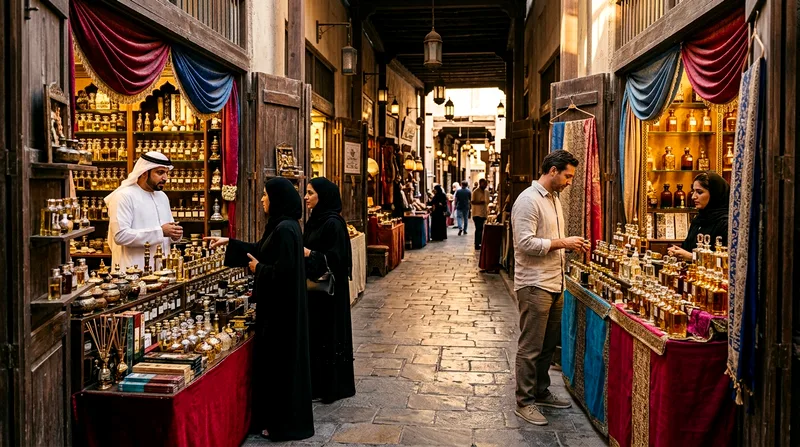
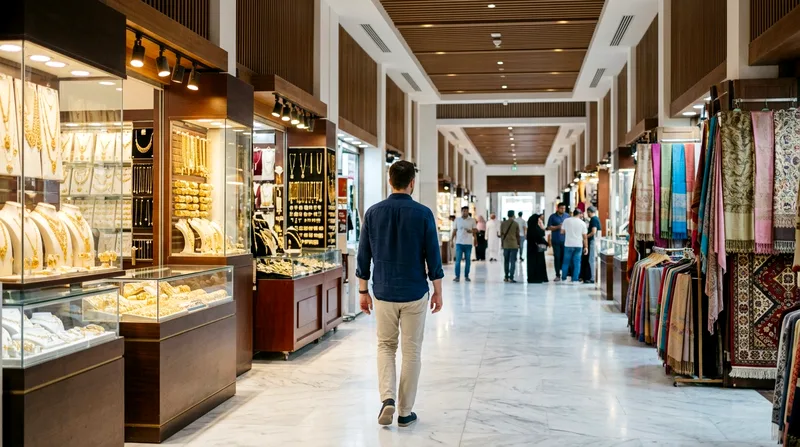
The Abu Dhabi perfume souk isn't one landmark building with a sign over the door — it's a cluster of fragrance stalls and small shops woven into the emirate's traditional souks, most notably around Souk Qaryat Al Beri near the Shangri-La hotel and the Grand Mosque, plus scattered oud specialists in the central market areas downtown. If you've read about Dubai's Perfume Souk in Deira and expected a direct equivalent in Abu Dhabi, adjust your expectations: there's no single historic perfume district here with the same density of shopfronts. What you get instead is a smaller, calmer version spread across two or three locations, which suits visitors who find Deira overwhelming.
That said, the quality of what's sold stacks up well against Dubai. Abu Dhabi vendors source the same Cambodian, Indian (Assam), and local Emirati-blended oud oils, and several family-run shops have supplied UAE and wider Middle East clientele for decades. I'd rather browse a smaller souk with knowledgeable staff than wade through fifty near-identical Deira stalls shouting the same opening price.
Traditional oud and bakhoor culture
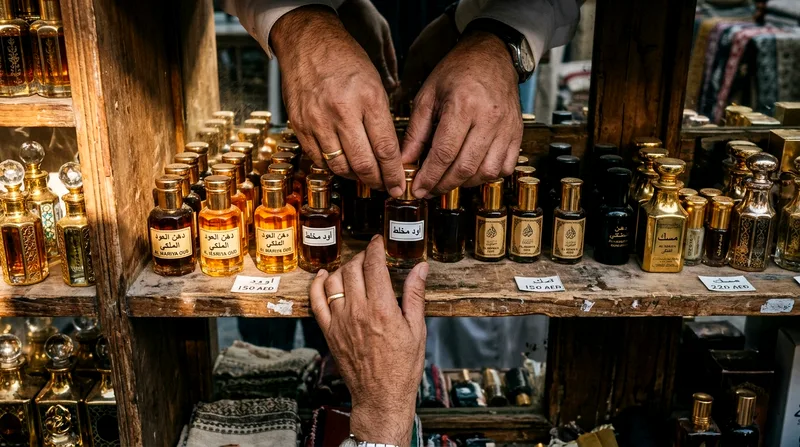
Oud — the resin-rich heartwood of the agarwood tree — has been burned, worn, and gifted across the Gulf for centuries. Pure oud oil (dehn al oud) is expensive because agarwood trees take years to develop the resin and most commercial supply now comes from plantation-grown trees in Southeast Asia rather than wild forest sources. Bakhoor, chips of wood soaked in oud oil or other aromatics and burned on charcoal, is the more affordable, more social version — Emirati households burn it for guests, at weddings, and during Ramadan. Expect to be offered a waft of bakhoor smoke as a welcome gesture in almost any shop; it's not a sales trick, it's standard hospitality, and you're not obligated to buy afterward.
Why visit as a European tourist
European fragrance shelves lean heavily on alcohol-based eau de parfum and eau de toilette formats. Gulf perfumery works mostly in oil-based attars and pure oud, which last considerably longer on skin — six to twelve hours is normal — and aren't available at this concentration or price point back home. A 3ml bottle of decent oud oil that would cost well over €150 in a European niche perfumery can run from roughly 150 to 400 AED (about €38–€100) in Abu Dhabi, depending on origin and purity. That price gap alone makes the souk worth an hour of your itinerary, even if you're not a dedicated fragrance collector.
How to Visit: Independent vs Guided Tours
You can absolutely do this yourself, and most visitors should. The souks are safe, English is widely spoken by vendors, and nobody will stop you from leaving a shop empty-handed. Still, a guided option exists and has a specific use case worth understanding before you decide.
Independent visits give you the most time and the best haggling control, while guided stops suit travelers who want expert help with authenticity and a packed sightseeing day.
Abu Dhabi perfume souk shopping options compared: independent visit, guided tour, and Dubai alternative
| Option | Typical Cost | Time Needed | Best For |
|---|---|---|---|
| Self-guided souk visit | Free entry, pay per item | 45–60 min | Shoppers who want to compare and negotiate freely |
| Guided city tour with souk stop | Included in tour price | 30–40 min | First-timers wanting context and authenticity guidance |
| Al Ain Souk day trip | Free entry, pay per item | Half day incl. travel | Travelers wanting a more local, less touristy market |
| Dubai Deira Perfume Souk | Free entry, pay per item | 1–2 hrs incl. travel | Comparing scale and variety against Abu Dhabi |
Typical figures; vendor prices and tour inclusions vary, so check current details before you book.
Self-guided shopping experience
Going alone means you control the pace — browse, smell, walk away, come back an hour later without pressure. Budget 45 minutes to an hour if you're serious about comparing oud quality across three or four shops; less if you just want a bottle of bakhoor as a gift. Bring a phone with a translation app for ingredient names, and don't wear strong fragrance or scented lotion beforehand — it muddies your sense of smell for comparison. The main downside: without local knowledge, you can't easily tell plantation oud from a lower-grade synthetic blend, and that's where prices get inflated for tourists who don't ask the right questions.
Organized tour options and benefits
Some Abu Dhabi city tours and cultural half-day itineraries include a stop at Souk Qaryat Al Beri or the central souk as part of a broader heritage route alongside the Grand Mosque or Qasr Al Watan. These aren't dedicated "perfume tours" in the way some Marrakech or Istanbul souk tours are marketed — they're add-ons within general sightseeing packages. The benefit is a guide who can translate oud grading terminology and flag reasonable price ranges on the spot, which is genuinely useful if you're buying anything above 500 AED. The trade-off is less time to linger and compare, since the souk stop is usually 30–40 minutes within a packed schedule. Compare current city tour and souk-stop itineraries and prices before you book, and check specifically whether a fragrance stop is included rather than assumed.
Tickets, Entry & Visitor Information
There's no admission fee and no ticket to buy for the perfume souk itself — it's open retail space, not a paid attraction. This surprises some visitors who assume anything called a "souk" in a tourist guide must require a booking. It doesn't; you walk in, browse, and pay only for what you buy.
Free entry and opening hours
Souk Qaryat Al Beri and the central market stalls generally operate from around 10am to 10pm, with many individual shops closing briefly in the afternoon and reopening after sunset prayers. Friday mornings tend to be quieter before midday. Unlike ticketed attractions such as Louvre Abu Dhabi or Qasr Al Watan, there's no advance booking system, no time slots, and no capacity limit to worry about.
Payment methods and currency
Cash in UAE dirhams gets you the best negotiating position — vendors often quote a slightly better price for cash than for card, partly to avoid transaction fees. Most established shops do accept major cards, and some take euros informally at a rough exchange rate that's rarely in your favor. Carry small denominations; breaking a 500 AED note for a 60 AED bottle of bakhoor can be awkward in smaller family-run stalls.
Best Time to Visit & What to Expect
Timing changes the experience more than most visitors expect, and it's worth planning around rather than leaving to chance.
Seasonal crowds and weather
November through March brings the mildest weather (daytime highs around 24–30°C), and it's also peak tourist season, so expect more foot traffic and marginally firmer prices as vendors feel less pressure to discount. June through September is brutally hot — 40°C-plus — which actually works in your favor for negotiation, since indoor souks are air-conditioned and tourist numbers drop sharply. If you're heat-sensitive, stick to winter and shop in the evening after 6pm when temperatures ease even in summer.
Atmosphere and shopping experience
Don't expect the chaos of Marrakech's medina or even Dubai's Deira strip. Abu Dhabi's souk fragrance shops feel more like boutiques — carpeted floors, seating for customers, tea or Arabic coffee sometimes offered while you browse oud samples laid out on a tray. It's a slower, more personal sales style, which some travelers find refreshing and others find slow if they just want to grab a quick souvenir. I find the lower pressure genuinely pleasant compared to the hard sell you sometimes get in Dubai's older markets.
Shopping Tips & Fragrance Recommendations
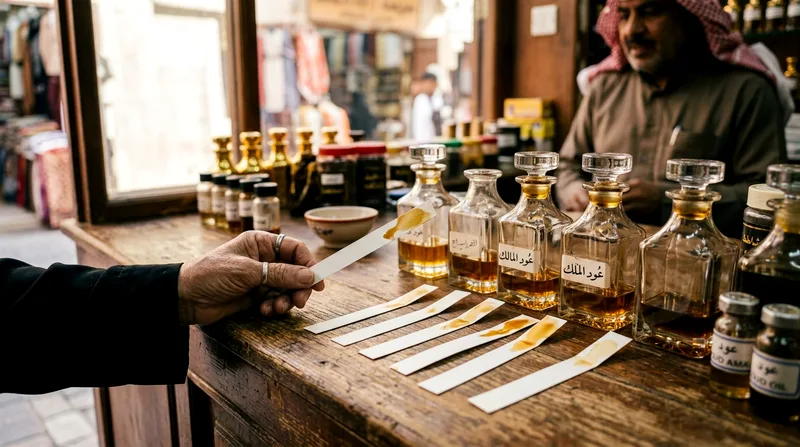
Ask to smell oud on a testing strip first, not directly from the bottle onto your skin — skin chemistry changes a scent, and you want to compare several oils side by side before committing. For beginners, start with a lighter Indian or Cambodian oud blend rather than pure Hindi oud, which has a strong, almost medicinal smokiness that surprises people expecting something floral. Bakhoor makes a safer, cheaper gift — a box of 12 pieces typically runs 30–80 AED and needs no expertise to appreciate.
Identifying authentic vs counterfeit products
Real oud oil is thick, almost syrupy, and darkens with age — if a bottle is thin, bright, and suspiciously cheap (under 50 AED for a "pure oud" vial), it's a synthetic blend at best. Ask which country the agarwood came from; a vendor who can't answer, or gives a vague "it's from the forest" response, is likely selling a mixed or fully synthetic product. Reputable shops will let you compare a cheaper blend against a premium one side by side and explain the price difference honestly — if a seller refuses to let you smell before buying, walk away.
Haggling etiquette and price negotiation
Haggling is expected and even welcomed — a fixed first price is rarely the real price. A reasonable approach: counter at roughly 50–60% of the opening quote and work toward the middle, aiming to settle somewhere between 65% and 80% of the original ask depending on the item. Stay friendly, not aggressive; Gulf souk culture treats negotiation as a social exchange, not a confrontation. Buying two or three items from the same vendor usually earns a better combined price than haggling item by item.
Nearby Attractions & Add-On Experiences
The perfume souk works best stitched into a half-day plan rather than visited as a single destination trip, given how compact it is.
Adjacent souks and cultural sites
Souk Qaryat Al Beri sits a short drive from the Grand Mosque and Qasr Al Watan, making a natural pairing — mosque visit in the morning, souk browsing and lunch in the afternoon. If you're extending your UAE trip, Al Ain Souk offers a grittier, more local date-and-spice market experience about 90 minutes inland, while Dubai's Deira perfume and gold souks are roughly 90 minutes north by car and worth comparing directly if you have a multi-city itinerary covering both emirates.
Complementary shopping and dining options
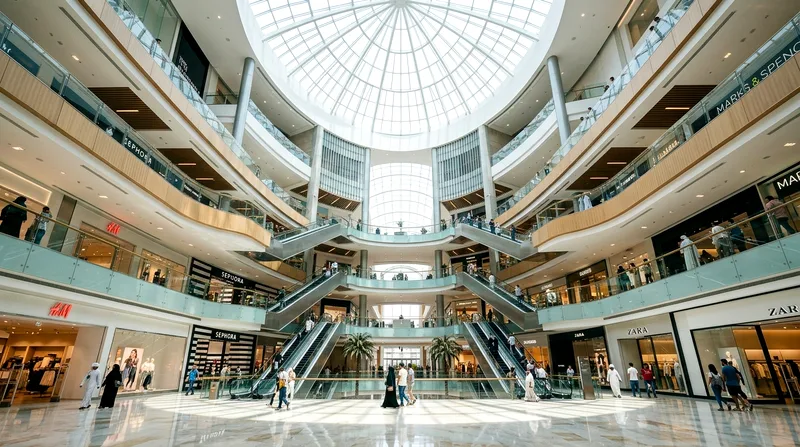
Souk Qaryat Al Beri has waterside cafés and restaurants with views back toward the Grand Mosque's domes, good for a break between shops. If you want contrast, pair the souk visit with a stop at a modern mall like Yas Mall or The Galleria for air-conditioned, fixed-price perfume counters — useful for comparing international brand prices against what you've just negotiated in the souk.
Frequently asked questions
Where is the perfume souk located in Abu Dhabi?
The main cluster of fragrance shops sits within Souk Qaryat Al Beri, near the Shangri-La hotel and within view of the Grand Mosque. Additional standalone oud and perfume shops are scattered through Abu Dhabi's central market district downtown, so it helps to pick one location rather than trying to cover both in a single outing.
How do I identify authentic oud perfumes?
Ask the vendor for the agarwood's country of origin and let them explain the grading — vague answers are a red flag. Genuine oud oil is thick and dark, deepens in aroma over a few minutes on a test strip, and costs noticeably more than 50 AED per small vial. Compare two or three bottles side by side before buying anything described as "pure."
Is it cheaper to buy perfume in Abu Dhabi or Dubai?
Base prices for oud and bakhoor are similar across both emirates since supply comes from the same regional traders. Dubai's Deira Perfume Souk has far more shops competing for your business, which can push negotiated prices slightly lower if you're willing to walk between many stalls. Abu Dhabi's smaller, calmer souks trade a bit of price use for a less pressured shopping pace.
What are typical prices for oud and bakhoor?
A 3ml bottle of oud oil generally runs 150–400 AED (roughly €38–€100) depending on origin and purity, with premium Hindi oud going higher. A box of bakhoor chips typically costs 30–80 AED for a dozen pieces, making it the more budget-friendly souvenir choice for most visitors.
Can I negotiate prices at the perfume souk?
Yes, and vendors expect it — opening prices are rarely final. Counter at around 50–60% of the first quote and aim to settle between 65% and 80% of the original ask, staying friendly rather than confrontational, since haggling here is treated as a normal part of the sale rather than a conflict.