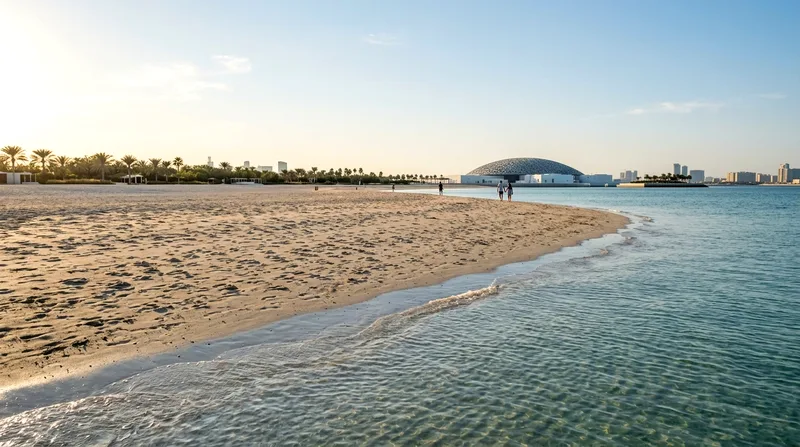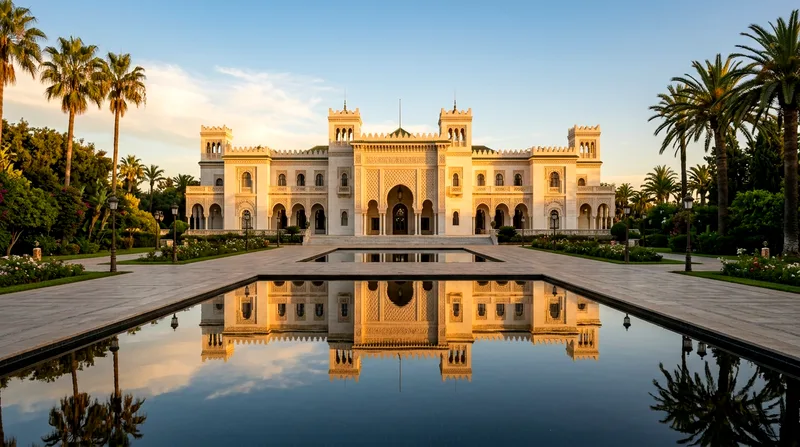
Book Sheikh Zayed Grand Mosque tickets online or visit free. Compare guided tours, dress codes, opening hours, and best times to visit Abu Dhabi's icon.
What Is Sheikh Zayed Grand Mosque
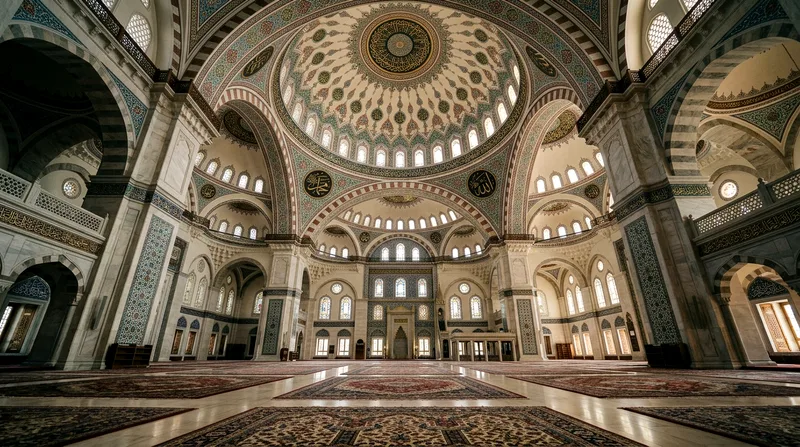
Sheikh Zayed Grand Mosque sits just off the E11 highway on the eastern edge of Abu Dhabi island, close enough to the airport that many visitors stop here straight off a flight. Completed in 2007, it was commissioned by the late Sheikh Zayed bin Sultan Al Nahyan, the UAE's founding president, and it now holds his tomb on the grounds. The building is managed by the Sheikh Zayed Grand Mosque Centre (SZGMC), which also runs the free guided tour programme and visitor services.
The scale is the first thing that registers. Eighty-two domes, four minarets over 100 metres tall, and a capacity for more than 40,000 worshippers make it one of the largest mosques anywhere, and the only mosque in the UAE open to non-Muslim visitors on a daily basis. Compare that openness to the Grand Mosque in Muscat or Masjid Al Islam in Sharjah, both of which restrict non-Muslim access far more tightly — it's part of why Abu Dhabi's mosque draws a different kind of visitor, one coming for architecture and history rather than worship alone.
Why It's a Worth seeing Destination
What sets it apart isn't just size — it's the materials. White marble from Macedonia and Italy covers the exterior, inlaid with floral marble mosaics using semi-precious stones: amethyst, jade, mother of pearl. Inside, the main prayer hall holds a single hand-knotted carpet measuring roughly 5,700 square metres, reportedly the largest of its kind in the world, alongside Swarovski crystal chandeliers that weigh several tons each. None of this is exaggeration for marketing purposes; it's documented by SZGMC itself and cross-referenced by independent architecture writers. If you've seen the Grand Mosque in Muscat or the newer mosques in Doha, this one reads as more maximalist, more photogenic, and considerably busier with tourists.
Free Entry vs Paid Tickets
Here's the point that trips people up: basic entry to Sheikh Zayed Grand Mosque is free. There is no admission fee to walk the courtyard, enter the main prayer hall, or visit the on-site library. This has been the policy since the mosque opened, and it remains unchanged — the "tickets" you see advertised on platforms like Tiqets, Headout, or Trip.com are for guided tours, skip-the-line access, or bundled transport, not for basic entry.
So why do paid listings exist at all? Mostly convenience and structure. A paid slot usually bundles a guided walkthrough with a local guide, sometimes transport from a central Abu Dhabi or Dubai hotel, and a fixed arrival window that avoids queueing at the general visitor gate. For someone on a tight schedule — say, a cruise passenger with four hours in port, or a family juggling nap schedules — that structure can be worth the AED 50 to AED 150 or so that these packages typically run. For everyone else, it's an unnecessary expense.
Basic entry to Sheikh Zayed Grand Mosque is always free — paid tickets only add guided commentary, transport, or skip-the-line convenience.
Sheikh Zayed Grand Mosque tickets: free entry vs guided tour options compared
| Option | Typical Cost | Booking Needed | Best For |
|---|---|---|---|
| General free entry | Free | No | Independent visitors, budget travelers |
| Free SZGMC guided tour | Free | Recommended on arrival | Visitors wanting context without paying |
| Third-party guided tour (Tiqets, Headout) | Approx. AED 50-150 | Yes, in advance | Time-pressed visitors, cruise passengers |
| Combo tour with transport | Approx. AED 150-350 | Yes, in advance | Visitors without a car, Dubai day-trippers |
| Private guide | Higher, varies by operator | Yes, in advance | Couples, luxury travelers wanting flexibility |
Prices are approximate and vary by operator and season; always check current pricing before booking.
How to Book Tickets Online
If you only want free entry, you don't need to book anything in advance — you simply arrive, go through security, and follow the visitor route. If you want a guided experience, platforms such as Tiqets, Headout, and Trip.com list mosque tours with fixed departure times and advance confirmation. Booking two to three days ahead is generally enough outside of peak winter months (December to February), when slots for popular guided walkthroughs can fill up faster. Always check current prices and availability before booking, since operators adjust schedules seasonally and during religious holidays like Ramadan, when visitor hours shift.
Group and Individual Pricing
Solo travelers booking a guided tour typically pay a per-person rate, while families or small groups sometimes get a modest discount per head on third-party platforms. Larger tour groups — the coach parties you'll see pulling in by the dozen in high season — book directly through SZGMC's own scheduling for free guided tours, which run several times a day and require no payment at all, just a reservation. The free SZGMC tours are honestly a better value than most paid packages if your main goal is a knowledgeable explanation of the architecture rather than hotel pickup.
Guided Tours vs Self-Guided Visits
Self-guided visits work fine if you're comfortable reading signage and don't mind missing the finer details — the significance of the 99 names of Allah inscribed on the qibla wall, the symbolism behind the lotus-flower column capitals, or why the central dome's design borrows from Ottoman, Moorish, and Mughal traditions all at once. Without a guide, you'll see the spectacle but miss the explanation.
Guided tours, whether the free SZGMC ones or paid third-party versions, close that gap. The free SZGMC tours run on a set schedule throughout the day, last around 45 to 60 minutes, and are led by staff trained specifically on the mosque's history and design. They're genuinely good — better, frankly, than some paid tours elsewhere in the city that rush through major sites like Qasr Al Watan or the Louvre Abu Dhabi.
Tour Operator Options and Booking
Third-party operators listed on Tiqets, Headout, and Trip.com typically combine the mosque with another Abu Dhabi stop — Qasr Al Watan, the Corniche, or Yas Island attractions — into a half-day or full-day itinerary. This suits travelers who'd rather not deal with taxis and timing logistics themselves, particularly senior travelers or those visiting Abu Dhabi on a tight layover. The trade-off is less flexibility: you're on someone else's clock, and large tour groups sometimes move slower through security and shoe-storage areas than independent visitors. If your priority is simply seeing the mosque well, independent visit plus the free SZGMC guided walkthrough beats most paid combo tours on value.
Dress Code and Entry Requirements
This is the section most first-time visitors underestimate, and it's where plans go wrong. The mosque enforces a modest dress code for everyone, regardless of religion or gender. Shoulders, knees, and midriff must be covered. Clothing should be loose rather than tight-fitting, and see-through fabrics aren't permitted. Women are required to wear a headscarf covering the hair fully — the mosque provides abayas and scarves free of charge at designated counters near the entrance if you arrive without appropriate clothing, but expect a queue during busy periods, particularly Friday afternoons and weekends.
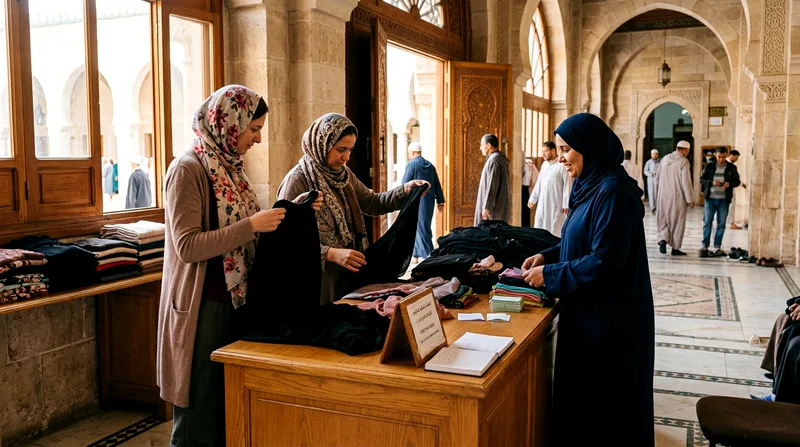
Men in shorts or sleeveless shirts will be turned away at the gate until they change or borrow a kandura-style garment, which is also available on-site. Compare this to looser dress expectations at secular sites like the Louvre Abu Dhabi or Yas Mall — the mosque is stricter, and rightly so, given it remains a working place of worship.
What to Wear and What to Bring
Practical advice: wear your own long skirt, trousers, or maxi dress and a scarf if you have one — it avoids the borrowing queue entirely. Closed shoes are fine but you'll remove them before entering carpeted prayer areas, so slip-on shoes save time. Bring a lightweight scarf even in summer, since the marble courtyard reflects heat intensely and some covered walkways offer shade. Leave tripods and professional camera rigs at the hotel unless you've arranged permission in advance — handheld phones and standard cameras are fine for personal use.
Best Times to Visit and Photography
Opening hours generally run from around 9am to 10pm, with visitor access to the main hall sometimes paused for prayer times — this happens five times a day, briefly, and visitors are asked to wait or reroute during these windows. Friday mornings have more limited non-worshipper access due to the weekly communal prayer, so plan around that if Friday is your only free day.
The single most useful timing tip: avoid midday between June and September. Summer temperatures in Abu Dhabi regularly exceed 40°C (104°F), and the white marble courtyard radiates heat back up at you — it's genuinely uncomfortable underfoot even through shoes. Early morning (shortly after opening) or the hour before sunset are far more bearable and also better for photography.
Seasonal Considerations and Photo Tips
Golden hour, roughly 45 minutes before sunset, lights the domes and minarets in warm tones and tends to thin out the midday tour-bus crowds. The reflecting pools around the courtyard create mirror shots of the main building — stand at the pool's edge rather than directly above it for the cleanest reflection. Night visits, after the mosque is lit for evening prayers, offer a different mood entirely: the white marble turns almost luminous under floodlights, and it's noticeably quieter than daytime. Winter months (November to March) bring cooler daytime temperatures, making midday visits tolerable again, but also the highest tourist volume of the year — expect more people in every frame.
Nearby Attractions and Add-Ons
The mosque sits roughly 30 minutes by taxi from central Abu Dhabi and about 90 minutes from Dubai by car, which makes it a realistic half-day add-on for travelers based in either city. It also works well paired with Abu Dhabi International Airport transfers, since it's only around 15 minutes from the terminal — a sensible stop if you have a long layover and your bags are checked through.
Within Abu Dhabi, Qasr Al Watan (the presidential palace, open to visitors) and the Louvre Abu Dhabi on Saadiyat Island both pair naturally with a mosque visit, each roughly 20 to 30 minutes away by car. Compared with Dubai's Jumeirah Mosque, which offers a similar but much smaller guided-tour model, Abu Dhabi's mosque is the far more substantial stop and deserves more time — budget at least two hours, more if you're taking a guided tour.
Combination Visits in Abu Dhabi
A popular full-day structure: mosque visit in the morning before the heat builds, lunch near the Corniche, then Qasr Al Watan or the Emirates Palace area in the afternoon, finishing with sunset at Saadiyat's public beach or a Louvre Abu Dhabi visit timed for its own golden-hour lighting on the museum's perforated dome roof. Families with young children should budget extra time for dress-code logistics and stroller storage, since strollers aren't permitted past certain courtyard sections. Avoid cramming the mosque into a same-day itinerary with Yas Island's theme parks — the dress code change alone eats into time you'd rather spend on rides.
Frequently asked questions
Is Sheikh Zayed Grand Mosque free to enter?
Yes. General admission has always been free, with no ticket required for the courtyard, main prayer hall, or library. Paid listings online cover guided tours, transport, or skip-the-line options — not basic entry.
How do I book tickets online?
For free entry, no booking is needed — just arrive during opening hours. For a guided tour or combo package, book through platforms like Tiqets, Headout, or Trip.com a few days ahead, especially during the busier winter season from December to February.
What is the dress code for the mosque?
Shoulders, knees, and midriff must be covered for everyone. Women need a headscarf covering the hair; loose abayas and scarves are provided free at the entrance if needed. Men in shorts or sleeveless tops will be asked to change or borrow a robe on-site.
Are guided tours available and worth it?
Yes — SZGMC runs free guided tours several times daily, lasting 45-60 minutes, covering the architecture and symbolism in detail. They're worth taking even if you skip paid third-party tours, since they add context you'd otherwise miss reading signage alone.
What are the best times to visit for photography?
Early morning right after opening or the hour before sunset gives the best light and thinner crowds. Avoid midday in summer (June-September), when temperatures exceed 40°C and the marble courtyard becomes uncomfortably hot underfoot.