A practical 3 days in Abu Dhabi itinerary covering culture, desert safari, mangroves and markets — with timings, bookings and transport tips.
Who This Itinerary Is For
This 3 days in Abu Dhabi itinerary is built for first-time visitors who want a genuine sense of the city rather than a drive-by of its skyline. It suits couples looking for a long weekend, families traveling with children who need built-in downtime, and solo travelers comfortable arranging their own taxis and tickets. Senior travellers will find the pace manageable — nothing here demands early starts before 8am or late nights past 10pm, and most walking stretches are short and flat.
If you're coming from Europe on a direct flight from London, Frankfurt or Paris, three days gives you enough runway to adjust to the heat and time difference without wasting a day recovering. World travellers who've already done Dubai's malls and skyscrapers will notice Abu Dhabi moves slower and feels less commercial — there's more breathing room between sights, and the Corniche doesn't have Dubai Marina's density of restaurants and bars.
This plan isn't for anyone chasing nightlife or expecting Bangkok-style street food chaos. Abu Dhabi's dining scene is good, but it's quieter and pricier than Bangkok or even Sharjah's old souks. If you want beach clubs and late-night venues, you'll get more mileage out of a Dubai-based trip with an Abu Dhabi day trip bolted on. For travelers who want culture, nature and one genuine adventure day without rushing, this itinerary works.
Day 1: Culture and Heritage
Day one is front-loaded with the sights most people fly to Abu Dhabi to see. Start early, finish with a relaxed evening near the water — this is the day that sets the tone for the rest of the trip.
Morning: Sheikh Zayed Grand Mosque
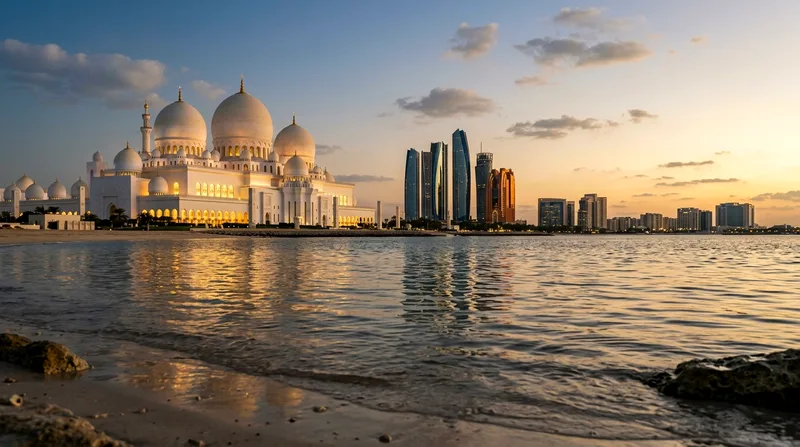
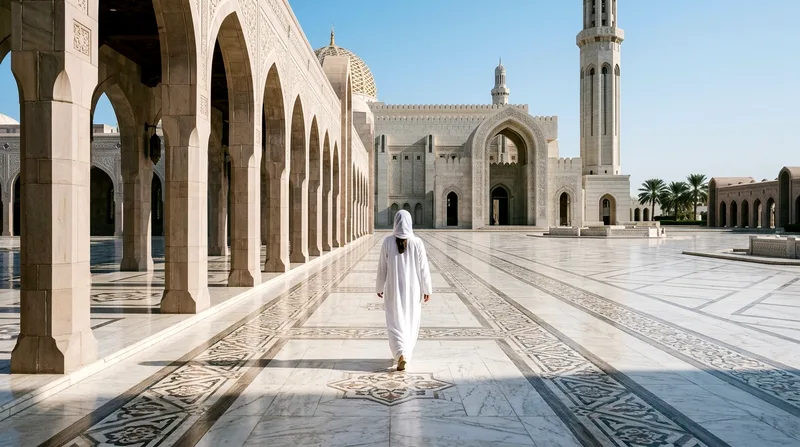
Arrive by 8:30am, right after opening, to beat both the heat and the tour buses. The Sheikh Zayed Grand Mosque is free to enter, but dress codes are strict — women need a headscarf and full-length abaya (loaner robes are available on-site, though queues for them can run 20-30 minutes during peak season). Budget 90 minutes to walk the courtyard, see the world's largest hand-knotted carpet in the main prayer hall, and photograph the reflecting pools before the midday sun flattens the light. Guided tours run roughly 45-60 minutes and are worth booking in advance through Viator or checking availability on TripAdvisor, since they add context on the mosque's 82 domes and the floral marble inlay you'd otherwise walk past. Avoid visiting on a Friday morning — the mosque closes to tourists for prayers until early afternoon.
Afternoon and Evening: Downtown and Qasr Al Hosn
After the mosque, head downtown for lunch — a shawarma plate at a casual Lebanese spot runs about 25-35 AED, far cheaper than hotel dining. Spend the afternoon at Qasr Al Hosn, the city's oldest stone building and a genuinely underrated stop; it traces Abu Dhabi's transformation from a pearling and fishing settlement to an oil capital, and it's air-conditioned, which matters if you're visiting between May and September. Entry is inexpensive, typically under 30 AED, and you can walk through in 60-90 minutes.
Pair it with the nearby Heritage Village, a reconstructed Bedouin settlement with weaving and pottery demonstrations — it's a bit staged, and I wouldn't rank it above Qasr Al Hosn, but it's free and gives kids something hands-on. End the day with a stroll past Emirates Palace at dusk, then dinner on the Corniche. If you want one bookable experience today beyond the mosque tour, a sunset dhow cruise along the Corniche is worth reserving ahead — slots fill up on weekends.
Day 2: Desert Adventure and Local Markets
Day two shifts gears entirely — out of the city and into the Al Wathba desert area, then back for market browsing and dinner. This is the day to book ahead; desert safari vehicles and guides sell out on weekends, especially October through April when temperatures make dune activities comfortable.

Each day of this Abu Dhabi itinerary focuses on one experience type, so you can swap days around without breaking the flow.
3 days in Abu Dhabi itinerary: daily activities, duration and experience type compared
| Day | Main Activity | Approx. Duration | Experience Type | Booking Priority |
|---|---|---|---|---|
| Day 1 | Grand Mosque + Qasr Al Hosn | 5-6 hours | Cultural | Book mosque tour ahead |
| Day 1 evening | Sunset dhow cruise | 1.5-2 hours | Relaxation | Book 1-2 days ahead |
| Day 2 | Desert safari | 4-6 hours | Adventure | Book 2-3 days ahead |
| Day 2 evening | Mina Market + seafood dinner | 2-3 hours | Local/Culinary | No booking needed |
| Day 3 | Jubail Mangrove Park | 2-3 hours | Nature | Book kayak slot ahead |
| Day 3 afternoon | Saadiyat or Yas Island | 3-4 hours | Culture/Family | Book museum tickets ahead |
Durations are approximate and will vary with group size, traffic and season; always check opening hours before you go.
Morning and Afternoon: Desert Safari
Most desert safari operators offer a morning pickup around 8-9am from your hotel, heading roughly 40-60 minutes out toward the Al Wathba or Liwa-adjacent dune fields. A typical half-day package includes dune bashing in a 4x4, a stop for photos, and sometimes a camel ride or falconry demonstration — expect to pay somewhere in the 150-300 AED range per person depending on inclusions, though always check current prices when booking since operators vary widely. Compare morning versus evening safaris before committing: morning trips suit families and anyone prone to motion sickness (less heat, calmer stomachs), while evening safaris end with a desert barbecue dinner, which couples and solo travelers tend to prefer.
If dune bashing isn't your thing — and it genuinely isn't for everyone, the bouncing is rough on backs and intense for young kids — ask about a calmer desert drive with a dune dinner instead, or swap this activity entirely for the Al Wathba Wetland Reserve, a flamingo sanctuary that's a far gentler outdoor alternative.
Evening: Mina Market and Local Dining
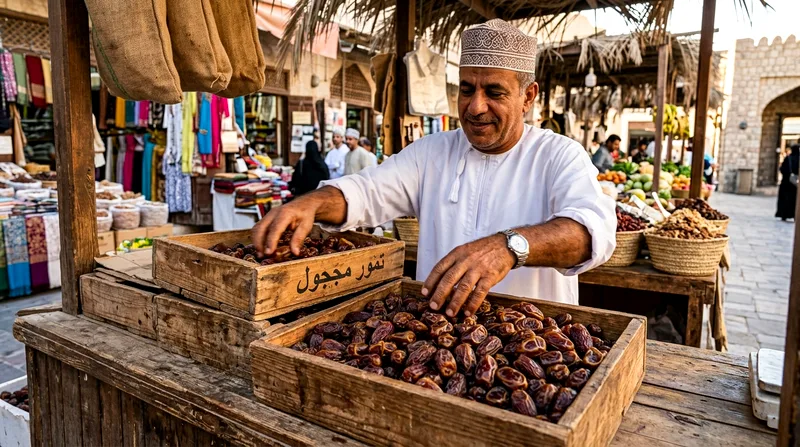
Back in the city by late afternoon, head to Mina Market (also called Al Mina Fish Market) for an hour of browsing — fishmongers lay out the day's catch, and an adjacent produce and dates market sells everything from Omani halwa to a dozen varieties of dates by weight. It's louder and more chaotic than the tidy malls elsewhere in the city, which is exactly the point; if you've been to Souk Waqif in Doha or the spice souks in Sharjah, this will feel familiar but smaller. Several casual seafood restaurants near the market will grill your fish selection on the spot for a modest cooking fee — a more memorable dinner than anything in a hotel restaurant, and usually cheaper.
Day 3: Islands, Nature, and Relaxation
The final day slows the pace deliberately. After two days of heat, walking and dune bouncing, a morning on calm water and an afternoon with options — some active, some not — makes for a better send-off than another packed itinerary.
Morning: Jubail Mangrove Park
Jubail Mangrove Park opens around 9am and is best visited early, before the heat and the midday boat traffic. Walk the 1.8km boardwalk through dense mangrove stands for free, or book a kayak session (roughly 90-120 AED for about an hour) to paddle through narrower channels you can't reach on foot. It's one of the few places in Abu Dhabi where you'll see the ecological side of the emirate — crabs, herons, and the occasional flamingo sighting — rather than the built environment. Compare this to mangrove tours in Ras Al Khaimah or Muscat's wadis: Jubail is smaller and more manicured, but it's a 20-minute drive from downtown Abu Dhabi, which neither of those alternatives can match for convenience.
Afternoon and Evening: Island Exploration
Spend the afternoon on Saadiyat or Yas Island depending on your interests. Saadiyat has a genuinely good public beach and the Louvre Abu Dhabi, worth two hours if you have any interest in art or architecture. Yas Island suits families better — Yas Waterworld and Ferragamo-level retail at Yas Mall are there, along with Ferrari World if you've got teenagers. Tired legs? Skip both and book a sunset boat tour from the Corniche or Yas Marina instead; it's low-effort and gives you a last look at the skyline from the water. Compare current boat tours and prices before you book, since routes and durations vary by operator.
Getting Around Abu Dhabi
Abu Dhabi is spread out — far more than Doha's compact center or Manama's walkable core — so you'll rely on taxis or a rental car for most of this itinerary. Metered taxis are plentiful and reasonably priced; a ride from downtown to the Grand Mosque runs roughly 25-35 AED, and the airport to downtown is typically 60-80 AED on the meter. Ride-hailing apps work reliably and are often cheaper than hailing a cab on the street.
A rental car makes sense if you're combining this with a side trip to Al Ain (about 90 minutes inland) or Ras Al Khaimah, but parking and one-way street layouts downtown can be a hassle for visitors unfamiliar with the city. Public buses exist and are cheap, but routes to the Grand Mosque and desert safari meeting points are inconvenient enough that most visitors skip them. If you're day-tripping in from Dubai, the drive is about 90 minutes to 2 hours depending on traffic on the E11 — doable, but it eats into the time you'd otherwise spend actually in Abu Dhabi, which is why I'd avoid trying to combine the two cities in a single 3-day trip.
Where to Base Yourself
Where you sleep shapes how much time you lose in transit each day. For a 3-day Abu Dhabi itinerary this tight, base yourself centrally rather than near the airport or out on Yas Island, which adds 30-40 minutes to every trip downtown.
Downtown Abu Dhabi
Downtown puts you within a 10-15 minute taxi ride of Qasr Al Hosn, the Mina Market, and most restaurants, and it's roughly 20 minutes from the Grand Mosque. Hotel options here range from mid-range business hotels to five-star properties, generally cheaper than equivalent rooms on Saadiyat or Yas Island. The trade-off is a less scenic immediate surrounding — you won't have beach access steps from your room, and the area can feel corporate after dark.
Corniche Area
The Corniche offers a walkable waterfront promenade, a proper public beach, and easy access to Emirates Palace and the marina for boat tours — it's the better pick for couples and senior travellers who want to stroll rather than taxi everywhere. Rooms here skew more expensive than downtown, particularly those with sea views, and it's slightly farther from Mina Market. For families, the Corniche's beach and park areas give kids space to burn energy after a day of mosque visits and museum walks, which downtown simply doesn't offer.
Frequently asked questions
What are the worth seeing attractions in Abu Dhabi?
The Sheikh Zayed Grand Mosque, Qasr Al Hosn, and the Louvre Abu Dhabi on Saadiyat Island top most first-time lists. Add Jubail Mangrove Park for nature and Yas Island if you're traveling with kids who want theme parks. You can realistically cover all of these in three days if you follow a route rather than bouncing between the city and islands each day.
How should I structure a 3-day Abu Dhabi itinerary?
Front-load culture on day one (Grand Mosque, Qasr Al Hosn), dedicate day two to a desert safari and local markets, then close with mangroves and island time on day three. This order matches energy levels to activities — heavy walking early, physical adventure midweek, relaxation at the end — and avoids backtracking across the city.
Is a desert safari worth doing in Abu Dhabi?
Yes, for most travelers — dune bashing, camel encounters and a desert dinner are hard to replicate elsewhere nearby, including in Dubai where sites are more crowded. Skip it only if you have back problems or are traveling with children under about six, since the 4x4 bashing can be rough; ask operators about a gentler dune-drive alternative instead.
What is the best way to get around Abu Dhabi?
Metered taxis and ride-hailing apps cover nearly everything you need for this itinerary, with downtown-to-mosque trips costing around 25-35 AED. Rent a car only if you're extending the trip to Al Ain or Ras Al Khaimah; otherwise it adds parking hassle without saving meaningful time.
Where can I experience authentic local food in Abu Dhabi?
Mina Market and its surrounding seafood grills offer the most genuine local food experience, letting you pick fresh fish and have it grilled on the spot. For dates, spices and dried fruit, browse the adjacent dates market — it's less touristy than similar souks in Dubai and a better gauge of everyday Emirati shopping habits.